
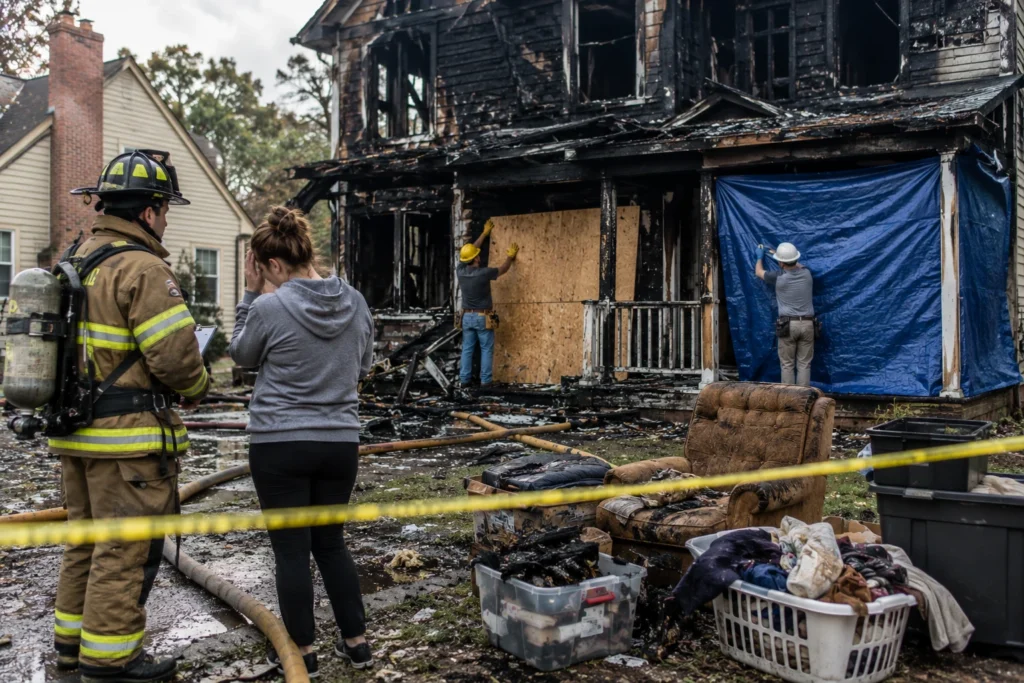
A house fire can change everything in a matter of minutes. One moment life feels normal. The next, you’re standing outside watching emergency crews battle flames while wondering what comes next. In those difficult moments, understanding the house fire insurance claim process becomes incredibly important. Many homeowners assume their insurance company will automatically identify every loss, calculate every cost correctly, and guide them through each step. Unfortunately, the reality is often more complicated. Fire claims can involve structural damage, smoke contamination, water intrusion, temporary housing expenses, personal property losses, and extensive documentation requirements.
Moreover, fire losses frequently create situations that resemble other complex insurance disputes, including cases involving an Underpaid Hail Damage Insurance Claim, where property owners discover that the initial assessment does not fully capture the extent of damage. The process itself can feel overwhelming. In some cases, it becomes almost as complicated as understanding concepts like forensic accounting, especially when homeowners must document damaged belongings, calculate losses, and verify settlement amounts.
The good news? The more you understand about the house fire insurance claim process, the better positioned you will be to protect your rights, avoid costly mistakes, and secure a fair settlement.
Understanding House Fire Insurance Coverage
Before discussing claims, it helps to understand what most homeowners policies actually cover after a fire. Coverage extends far beyond burned walls and damaged roofing materials. In many situations, the largest financial losses involve secondary damage that occurs during firefighting efforts and the recovery process.
Dwelling Coverage
Dwelling coverage typically protects the physical structure of the home.
This may include:
- Roofing systems
- Exterior walls
- Interior walls
- Flooring
- Cabinets
- Built-in appliances
- Electrical systems
- Plumbing systems
The extent of coverage depends on policy language and coverage limits.
Personal Property Coverage
Many homeowners underestimate the value of their belongings. Then a fire occurs. Suddenly every piece of furniture, article of clothing, electronic device, kitchen appliance, and personal item must be identified and valued.
Personal property coverage generally helps replace:
| Common Covered Contents | Examples |
| Furniture | Sofas, tables, beds |
| Electronics | TVs, computers, tablets |
| Clothing | Everyday wear and specialty items |
| Kitchen Items | Dishes, cookware, appliances |
| Personal Items | Decorations, tools, collectibles |
Additional Living Expenses
One of the most valuable benefits within many policies is Additional Living Expense coverage, often called ALE.
If the home becomes uninhabitable, ALE may help pay for:
- Hotel stays
- Rental homes
- Restaurant meals
- Laundry services
- Increased transportation expenses
These costs can accumulate quickly. Consequently, maintaining organized records becomes essential.
Detached Structures
Many homeowners forget that detached structures may also be covered.
Examples include:
- Detached garages
- Storage sheds
- Fences
- Workshops
- Gazebos
These structures should be included during damage assessments whenever applicable.
Immediate Steps to Take After a House Fire
The first few hours following a fire are chaotic. However, several actions can significantly improve the outcome of the house fire insurance claim process.
Prioritize Safety
Nothing matters more than personal safety. Never re-enter a fire-damaged property until emergency officials declare it safe. Structural damage is not always obvious. Floors may be weakened. Ceilings may collapse. Electrical hazards may remain active. Waiting for clearance is always the right decision.
Contact Emergency Services
Official reports play a major role in claim investigations.
The fire department’s documentation often helps establish:
- Cause of loss
- Areas affected
- Severity of damage
- Timeline of events
Request copies when they become available. These records often become important later.
Secure the Property
Insurance policies generally require homeowners to take reasonable steps to prevent further damage.
This obligation may include:
- Boarding broken windows
- Installing temporary tarps
- Securing entry points
- Protecting exposed areas from weather
Failure to mitigate additional damage can sometimes complicate portions of a claim.
Starting the House Fire Insurance Claim Process
Once the immediate emergency passes, the formal claim process begins. This stage creates the foundation for everything that follows.
Notify Your Insurance Company Immediately
Prompt reporting is critical.
Provide:
- Policy number
- Property address
- Date of loss
- Basic description of the fire
- Contact information
Keep notes regarding every conversation.
Document:
- Dates
- Times
- Representatives spoken with
- Summary of discussions
Small details can become valuable later.
Obtain Your Claim Number
The claim number becomes the reference point for all future communications. Store it somewhere accessible. You will likely use it dozens of times throughout the claim.
Review Your Policy Carefully
Many homeowners never read their policy until disaster strikes. Unfortunately, that creates confusion during an already stressful period.
Pay attention to:
- Coverage limits
- Deductibles
- Endorsements
- Exclusions
- Additional living expense provisions
Understanding coverage early helps establish realistic expectations.
Documenting Fire Damage Properly
Documentation often determines whether losses are fully recognized. The strongest claims are supported by evidence. Lots of evidence.
Photograph Everything
Take photographs before cleanup begins whenever possible.
Capture:
- Exterior damage
- Interior damage
- Burn patterns
- Smoke staining
- Water damage
- Damaged personal property
Wide-angle images provide context. Close-up photographs reveal details. Both are important.
Use Video Documentation
Videos can show conditions that photographs sometimes miss. Walk through the property slowly. Narrate observations. Open cabinets. Document rooms from multiple angles. The goal is to create a comprehensive visual record.
Create a Personal Property Inventory
This step requires patience. A room-by-room inventory often works best.
Include:
| Information to Record | Example |
| Item Description | Leather sofa |
| Brand | Ashley Furniture |
| Approximate Age | 3 years |
| Purchase Price | $1,200 |
| Replacement Cost | Current market value |
Receipts help. Photographs help even more. Credit card statements can also support ownership.
Preserve Damaged Property
Many homeowners rush to discard destroyed items. That is understandable. However, damaged property often serves as evidence.
Whenever practical:
- Photograph items first
- Discuss disposal with adjusters
- Retain samples when appropriate
Evidence strengthens claims.
Temporary Housing and Additional Living Expenses
Displacement creates an entirely new layer of challenges. Families suddenly need housing, meals, clothing, transportation, and other essentials. This is where Additional Living Expense coverage becomes critical.
Understand What ALE Covers
Coverage varies.
However, common examples include:
- Hotels
- Apartments
- Rental homes
- Storage units
- Restaurant meals
- Pet boarding
The purpose is straightforward. ALE helps maintain a reasonable standard of living while repairs occur.
Save Every Receipt
This cannot be overstated. Every receipt matters.
Create folders for:
- Housing expenses
- Food expenses
- Transportation costs
- Laundry expenses
- Pet-related expenses
Organization reduces disputes later.
Track Expenses Consistently
A simple spreadsheet can help.
| Date | Expense | Amount |
| June 10 | Hotel Stay | $185 |
| June 11 | Restaurant Meals | $62 |
| June 12 | Laundry | $18 |
Consistent tracking often accelerates reimbursement reviews.
The Insurance Adjuster’s Inspection
Soon after reporting the loss, the insurance company will schedule an inspection. This inspection significantly influences the house fire insurance claim process. Preparation matters.
What Happens During the Inspection?
The adjuster typically evaluates:
- Fire damage
- Smoke damage
- Water damage
- Structural concerns
- Contents losses
Measurements are often taken. Photographs are usually captured. Notes are recorded throughout the inspection.
Prepare Before the Visit
Preparation helps ensure important damage is not overlooked.
Consider:
- Organizing photographs
- Preparing inventories
- Listing concerns
- Gathering repair estimates
- Identifying areas of hidden damage
A well-prepared homeowner often contributes valuable information.
Areas Frequently Overlooked
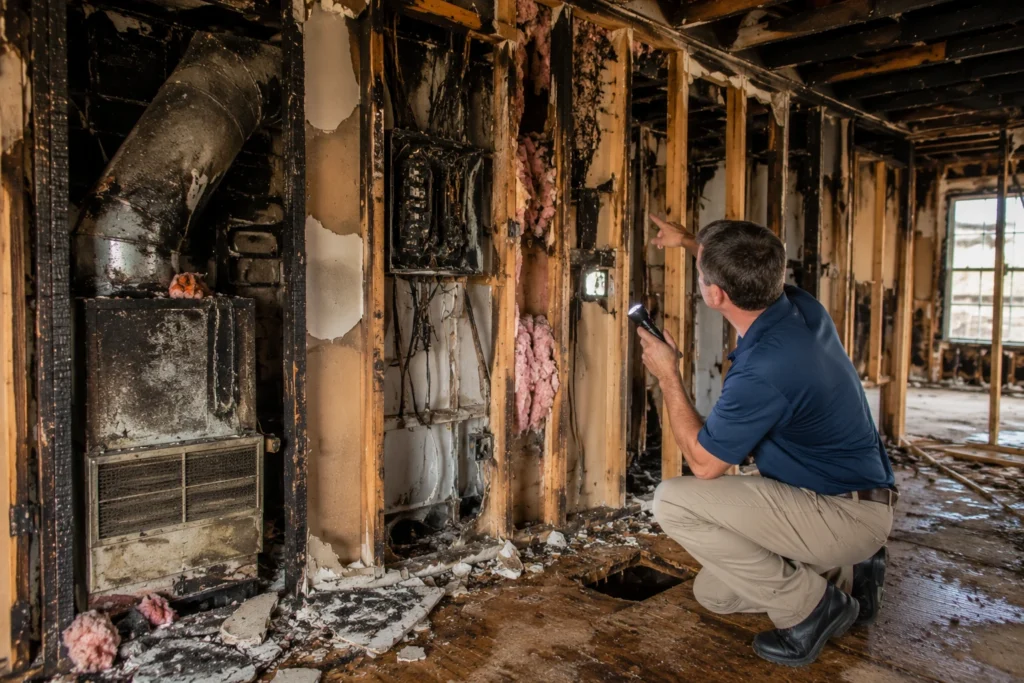
Some fire-related damage remains hidden.
Examples include:
- HVAC contamination
- Smoke infiltration inside walls
- Damaged insulation
- Electrical system damage
- Moisture trapped in building materials
These issues may not be obvious during an initial walkthrough. Yet they can significantly affect repair costs.
Understanding Fire Damage Beyond Flames
Many people associate fire damage with visible burn marks. In reality, flames often represent only part of the loss. Secondary damage can become equally expensive.
Smoke Damage
Smoke travels everywhere.
It enters:
- Duct systems
- Insulation
- Fabrics
- Electronics
- Wall cavities
Even areas untouched by flames may require extensive cleaning or replacement.
Smoke odor removal can become a major component of restoration expenses.
Water Damage from Fire Suppression
Firefighters save homes every day. However, extinguishing a fire often introduces large amounts of water into the structure. That water creates additional concerns.
Potential issues include:
- Mold growth
- Wood swelling
- Drywall deterioration
- Flooring damage
- Corrosion
These losses should be evaluated alongside fire damage itself.
Hidden Structural Damage
Not every problem is visible immediately.
Heat can weaken:
- Framing
- Roof systems
- Floor assemblies
- Load-bearing components
Professional inspections often reveal damage that cannot be identified during a basic visual review.
Reviewing the Insurance Company’s Estimate
Once the inspection is complete, the insurance company will typically prepare an estimate outlining what it believes is necessary to repair or replace damaged property. This document deserves careful review.
Many homeowners assume the estimate represents the final and complete assessment of damage.Sometimes it does. Other times, important items are missing. This is why understanding the house fire insurance claim process is so important.
Understanding the Scope of Loss
The scope of loss is essentially the roadmap for repairs.
It identifies:
- Damaged components
- Required repairs
- Replacement items
- Labor costs
- Material costs
A complete scope should account for all covered damage resulting from the fire. Unfortunately, damage is not always obvious during an initial inspection.
Common Reasons Estimates Are Incomplete
Several factors can contribute to incomplete estimates. Hidden damage is one of the most common.
For example:
| Frequently Missed Damage | Potential Impact |
| Smoke inside HVAC systems | Air quality issues |
| Electrical damage | Safety concerns |
| Hidden moisture | Mold development |
| Damaged insulation | Energy efficiency loss |
| Structural weakening | Repair cost increases |
In some situations, repairs reveal additional damage that was impossible to see initially. That is normal. It does not necessarily mean anyone acted improperly. It simply means the investigation continues.
Compare Contractor Estimates
Obtaining independent repair estimates can provide valuable perspective. Qualified contractors often identify issues that require further evaluation. When multiple professionals reach similar conclusions regarding overlooked damage, homeowners gain stronger support for additional claim discussions. Documentation remains the key. The stronger the evidence, the stronger the position.
Building Code and Ordinance Considerations
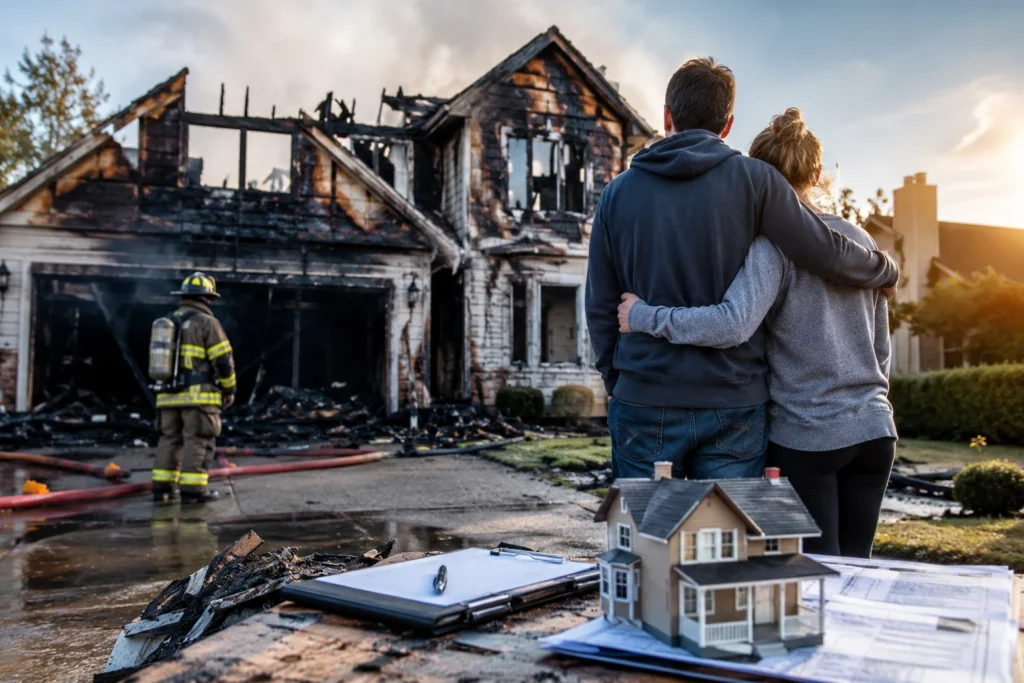
One of the most misunderstood aspects of the house fire insurance claim process involves building codes. Fire-damaged homes frequently trigger code-related upgrades. Why? Because many homes were built under older standards. Today’s regulations may require improvements before repairs can proceed.
Common Code Upgrade Examples
Depending on local requirements, repairs may involve:
- Electrical upgrades
- Smoke detector installation
- Structural improvements
- Energy-efficiency requirements
- Fire-resistant materials
These costs can be substantial.
Understanding Ordinance and Law Coverage
Some policies include Ordinance and Law coverage. This coverage may help pay for additional expenses created by current building codes. Without it, homeowners may face significant out-of-pocket costs. Consequently, reviewing policy language carefully becomes extremely important.
Common Challenges During the House Fire Insurance Claim Process
Fire claims are rarely simple. Even straightforward losses can present unexpected obstacles. Knowing what challenges may arise helps homeowners prepare effectively.
Claim Delays
Delays occur for many reasons.
Examples include:
- Large regional disasters
- High claim volume
- Ongoing investigations
- Missing documentation
- Contractor shortages
Although some delays are unavoidable, organized documentation often helps keep claims moving forward.
Underpaid Settlements
One of the most common frustrations involves settlement amounts that fail to reflect the full extent of damage.
This may happen because:
- Damage was overlooked
- Pricing was underestimated
- Contents were undervalued
- Code requirements were omitted
- Additional damage was discovered later
Reviewing estimates carefully helps identify potential issues.
Claim Denials
Denials are understandably stressful. However, a denial does not always mean the matter is closed.
Common reasons for denial include:
- Coverage disputes
- Cause-of-loss disagreements
- Insufficient documentation
- Policy exclusions
When disagreements arise, additional documentation and professional analysis may help clarify the situation.
How Public Adjusters Help Fire Loss Victims
Many homeowners have never worked with a public adjuster. That is understandable. Most people only encounter the claims process after a major loss.
What Is a Public Adjuster?
A public adjuster represents the policyholder rather than the insurance company.
Their role may include:
- Damage documentation
- Policy review
- Scope development
- Claim preparation
- Settlement negotiations
The objective is to ensure covered damage is thoroughly identified and properly presented.
Independent Damage Evaluation
An independent evaluation often provides a more detailed understanding of the loss.
Public adjusters typically review:
- Structural damage
- Smoke damage
- Water damage
- Contents losses
- Additional living expenses
This comprehensive approach can help reveal items that require further consideration.
Reducing Stress During Recovery
Recovering from a fire is emotionally exhausting.
Families are dealing with:
- Temporary housing
- Contractor meetings
- Financial concerns
- Replacement of personal belongings
Professional assistance can help reduce administrative burdens during an already difficult period.
Fire Claim Settlement and Negotiation
Receiving the initial settlement offer is an important milestone. However, it is not necessarily the final stage of the claim.
Review the Initial Offer Carefully
Take time to understand:
- What is included
- What is excluded
- Depreciation calculations
- Repair assumptions
- Coverage limitations
Questions are normal. In fact, they are often necessary.
Support Requests with Evidence
When additional compensation is sought, documentation matters.
Helpful evidence may include:
- Contractor estimates
- Engineer reports
- Photographs
- Invoices
- Expert evaluations
Facts drive productive discussions. Emotions alone rarely do.
Supplemental Claims
Many homeowners are surprised to learn that additional claims may be filed when previously hidden damage becomes visible. These are commonly known as supplements.
Supplemental claims often arise when:
- Walls are opened
- Flooring is removed
- Structural components are exposed
- Smoke contamination is discovered in concealed areas
Fire restoration frequently reveals conditions that were impossible to identify during the original inspection.
Rebuilding After a House Fire
The settlement process eventually transitions into reconstruction. This stage represents progress. Yet it still requires careful oversight.
Choosing Qualified Contractors
Selecting the right contractor matters.
Look for professionals who provide:
- Proper licensing
- Insurance coverage
- Written estimates
- References
- Detailed contracts
Avoid rushing into agreements simply because repairs feel urgent. Careful selection often prevents future complications.
Monitor Repair Progress
Even after construction begins, documentation remains valuable.
Maintain records of:
- Contracts
- Change orders
- Invoices
- Progress photographs
- Correspondence
A well-documented project creates transparency for everyone involved.
Recovering Depreciation Holdbacks
Many policies release portions of payment after repairs are completed. These funds are sometimes called recoverable depreciation.
Homeowners should understand:
- Required documentation
- Completion deadlines
- Payment procedures
Missing deadlines can create unnecessary complications.
House Fire Insurance Claim Mistakes to Avoid
Some mistakes appear repeatedly after major fire losses. Fortunately, most are preventable.
Failing to Document Thoroughly
Documentation creates the foundation of a strong claim. Without it, proving the full extent of losses becomes more difficult. Photographs, videos, inventories, and receipts all contribute valuable evidence.
Throwing Away Damaged Property Too Soon
Discarding damaged materials before documentation occurs can weaken portions of a claim.
Whenever practical:
- Photograph first
- Consult adjusters
- Preserve representative samples
Evidence should be protected whenever possible.
Accepting the First Settlement Without Review
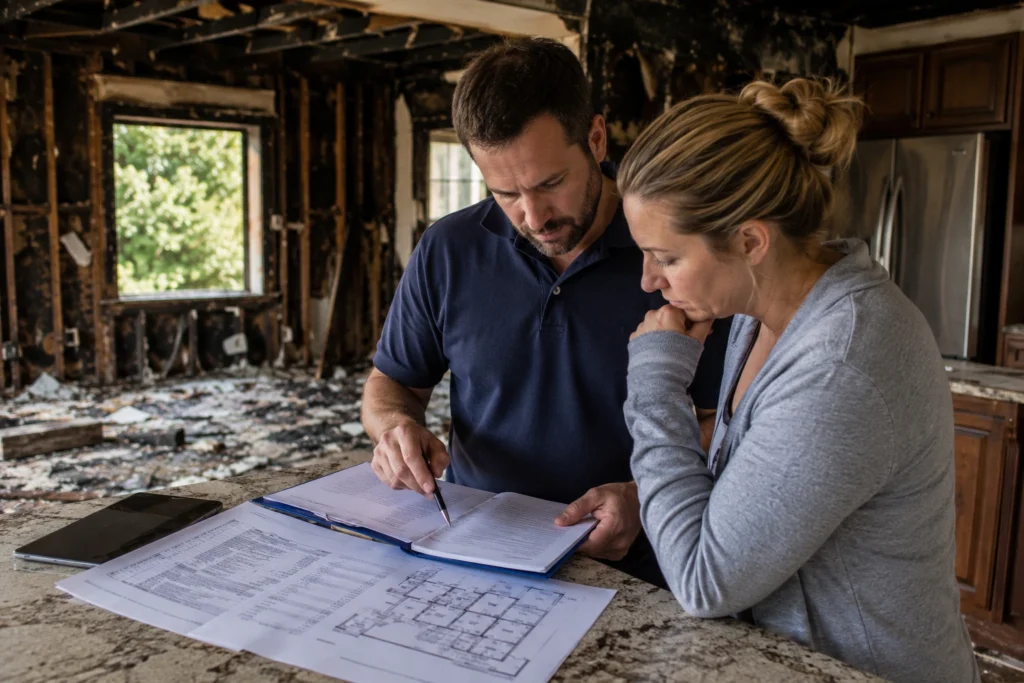
A settlement should always be reviewed carefully. Understanding the estimate allows homeowners to identify potential omissions or discrepancies. Questions are reasonable. Verification is wise.
Missing Important Deadlines
Insurance policies often contain deadlines related to:
- Reporting losses
- Submitting inventories
- Filing supplemental claims
- Completing repairs
Tracking these requirements helps avoid unnecessary disputes.
Not Understanding Policy Coverage
Coverage misunderstandings create confusion. Reviewing policy language early often helps prevent surprises later. Knowledge creates confidence. Confidence improves decision-making.
Why Homeowners in Terrell Should Understand the Claims Process
Fire losses can happen anywhere. However, every community benefits when property owners understand their rights and responsibilities. For homeowners in Terrell, preparation can make a significant difference when disaster strikes.
Documentation Matters From Day One
The earliest stages of the house fire insurance claim process often influence everything that follows. Photographs. Receipts. Inventories. Inspection reports. These materials help establish the foundation of the claim. The stronger the documentation, the stronger the position.
Large Losses Require Careful Evaluation
House fires often involve multiple categories of damage occurring simultaneously.
Examples include:
- Fire damage
- Smoke damage
- Water damage
- Structural damage
- Personal property losses
- Temporary housing expenses
Each category deserves careful review. Overlooking even one area can affect the final outcome.
Professional Guidance Can Be Valuable
Complex losses frequently involve extensive documentation and detailed evaluations. Many homeowners in Terrell seek professional assistance when navigating large or complicated claims. An experienced advocate can help organize information, identify overlooked damage, and facilitate communication throughout the process.
Protecting Financial Recovery
Insurance exists for a reason. Homeowners pay premiums with the expectation that covered losses will be addressed properly. Understanding the house fire insurance claim process helps ensure that expectation has the best opportunity to become reality. For families in Terrell, a clear understanding of the process can help reduce uncertainty during an already challenging time.
Conclusion
A house fire creates disruption that extends far beyond visible property damage. Families face emotional stress, financial concerns, temporary displacement, and countless decisions that must be made quickly. That is precisely why understanding the house fire insurance claim process matters.
The process begins with safety and immediate documentation. It continues through inspections, evaluations, settlement discussions, and reconstruction. Along the way, homeowners must carefully track expenses, preserve evidence, review estimates, and understand policy provisions. While every claim is unique, one principle remains constant.
Preparation helps. Documentation helps. Knowledge helps. By taking a proactive approach to the house fire insurance claim process, homeowners can place themselves in a stronger position to recover, rebuild, and move forward with confidence after a devastating loss.
FAQs
The timeline varies depending on the severity of the damage, but many fire claims take several months to fully resolve.
Prioritize safety, contact emergency services, notify your insurance company, and begin documenting the damage as soon as it is safe to do so.
Most homeowners policies cover smoke damage resulting from a covered fire, including cleaning and restoration costs.
Many policies include Additional Living Expense coverage, which may help pay for temporary housing and other necessary expenses.
You can provide additional documentation, obtain contractor estimates, and request a review of the settlement offer.
Yes. Photograph and document damaged property before disposing of anything, as it may serve as important claim evidence.
In many cases, insurance covers water damage caused while extinguishing a covered house fire.
A supplemental claim requests additional compensation when previously hidden or overlooked damage is discovered after the initial inspection.
Not every claim requires one, but public adjusters can be helpful when dealing with complex losses, disputes, or large damages.
Maintain detailed documentation, keep all receipts, review estimates carefully, and ensure all fire-related damage is properly documented and evaluated.