
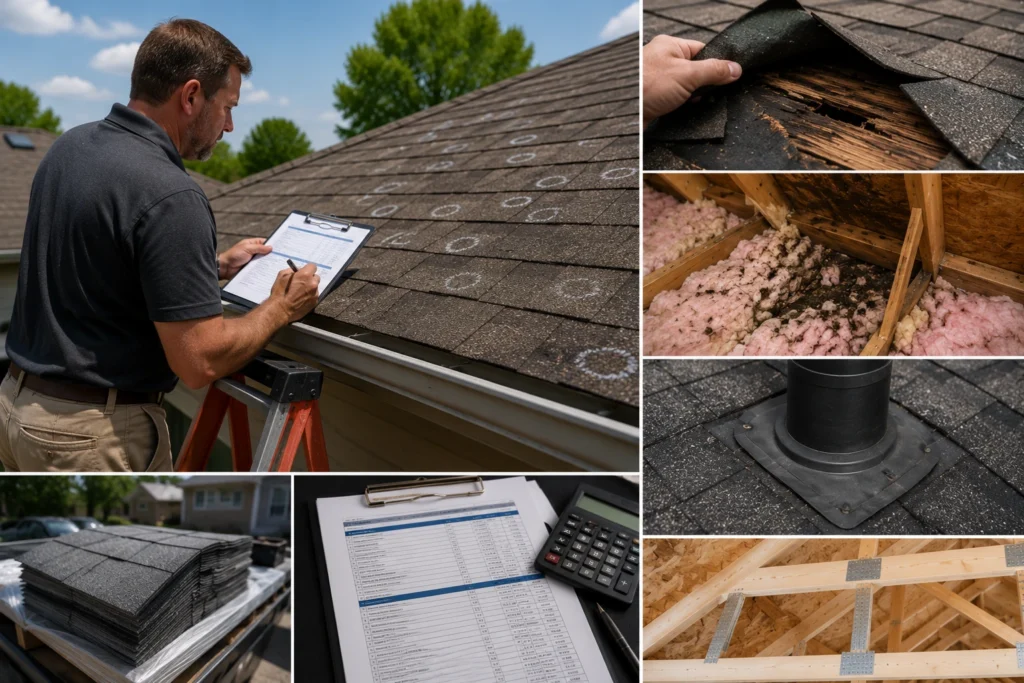
Hailstorms can leave a trail of destruction behind them. Roofs suffer bruising, shingles crack, flashing bends, and water finds pathways into places it should never reach. Yet for many homeowners, the storm itself is only the beginning of the problem. The real frustration often starts when an underpaid hail damage insurance claim leaves them with thousands of dollars in uncovered repair costs. Most people assume that if their insurance company accepts a hail claim, the settlement will cover everything necessary to restore the property. Unfortunately, that assumption isn’t always correct.
An underpaid hail damage insurance claim can create financial stress, delay repairs, and force homeowners to make difficult decisions about their property. The situation becomes even more challenging when hidden damage emerges after work begins. For homeowners in Terrell and throughout North Texas, understanding how claim underpayments happen can make the difference between receiving a fair settlement and paying substantial costs out of pocket. Let’s examine what every homeowner should know.
What Is an Underpaid Hail Damage Insurance Claim?
An insurance company may acknowledge storm damage and issue payment, but that doesn’t automatically mean the claim was settled correctly. An underpaid hail damage insurance claim occurs when the insurance carrier provides compensation that falls short of what is reasonably necessary to repair covered damage. This differs from a denied claim. With a denial, the carrier refuses coverage altogether. With an underpayment, coverage exists, but the amount allocated may be insufficient to complete repairs.
For example:
- The roof replacement estimate is too low.
- Important damaged components are omitted.
- Labor costs are underestimated.
- Building code requirements are excluded.
- Interior damages are overlooked.
The homeowner receives payment, but the funds may not fully restore the property. That’s where problems begin. How Insurance Companies Calculate Hail Damage Claims To understand why underpayments occur, it helps to understand how insurers typically evaluate losses.
Most carriers follow a process that includes:
- Property inspection
- Damage assessment
- Scope development
- Pricing calculations
- Depreciation application
- Deductible subtraction
On paper, the process appears straightforward. In practice, however, every step contains opportunities for differences in interpretation. An adjuster may inspect a roof and identify 30 damaged shingles. A contractor may identify 100. The carrier may estimate one layer of roofing material. The contractor may discover two. Those differences matter because they directly affect settlement values.
Why Hail Damage Claims Are Frequently Underpaid
Many homeowners assume underpayments happen because insurance companies intentionally try to reduce payouts. Reality is often more complicated. Several factors contribute to claim discrepancies.
Limited Inspection Time
After a major hailstorm, adjusters may handle dozens of inspections every week. Sometimes even more. The pressure to move quickly can result in abbreviated inspections. A roof may contain subtle damage patterns that require careful examination. When inspections are rushed, important details may be missed.
Incomplete Damage Assessments
Not all hail damage is obvious. Some damage develops beneath the surface.
Examples include:
- Bruised shingles
- Damaged underlayment
- Bent flashing
- Compromised roof vents
- Soft metal impacts
If these conditions are overlooked, they won’t appear in the estimate. If they aren’t in the estimate, they won’t be paid.
Pricing Differences
Construction costs fluctuate constantly. Labor shortages, material costs, transportation expenses, and regional demand all influence pricing. A settlement generated months earlier may no longer reflect current market conditions. This creates a gap between the insurance estimate and actual repair costs.
Scope Disputes
One of the most common causes of an underpaid hail damage insurance claim involves disagreements about what actually needs repair or replacement. The insurance carrier may identify damage to a portion of the roof. The contractor may determine the entire roofing system requires replacement. Those competing opinions can produce dramatically different estimates.
Common Signs Your Claim Was Underpaid
Many homeowners don’t realize their claim was underpaid until a contractor reviews the settlement paperwork. Several warning signs should prompt a closer look.
Contractor Estimates Are Much Higher
A large gap between contractor estimates and insurance payments deserves attention. Minor differences are common. Massive differences are not.
Missing Roof Components
Review the estimate carefully.
Are these items included?
- Flashing
- Ridge caps
- Gutters
- Vent covers
- Drip edge
- Underlayment
Missing components often contribute to underpayments.
Interior Damage Was Ignored
Hailstorms frequently lead to water intrusion.
Water intrusion can affect:
- Ceilings
- Drywall
- Flooring
- Insulation
- Paint
If these damages are absent from the estimate, additional review may be necessary.
Code Upgrades Are Missing
Building codes evolve. When repairs trigger code compliance requirements, additional costs may arise. Failure to account for these expenses can leave homeowners facing unexpected bills.
Understanding Roof Damage Beyond the Shingles
Many claim disputes focus almost exclusively on shingles. That’s a mistake. A roofing system includes numerous components working together to protect the structure. Damage to any one component can affect overall performance.
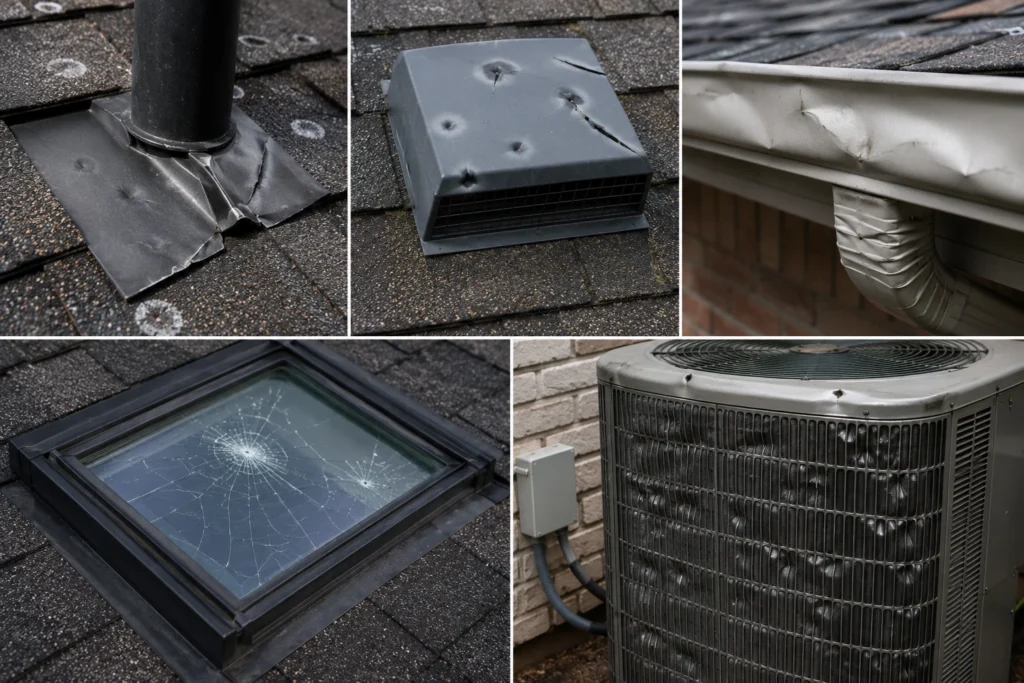
Flashing Damage
Flashing seals vulnerable areas where water is most likely to enter. Hail impacts can bend, crack, or separate flashing materials. These issues may not leak immediately. Eventually, however, they often create problems.
Vent Damage
Roof vents frequently sustain hail impacts. Cracked vent covers can allow moisture infiltration and reduce ventilation efficiency.
Gutter and Downspout Damage
Dented gutters aren’t merely cosmetic. Severe impacts can alter water flow and increase the risk of drainage issues.
Skylights
Skylights require particularly close inspection. Even small cracks can expand over time and lead to significant water intrusion.
HVAC Components
Many homeowners overlook exterior air conditioning equipment. Hail can damage condenser fins and other exposed components. Those damages may be covered under the claim.
Why Contractors Often Discover Additional Damage
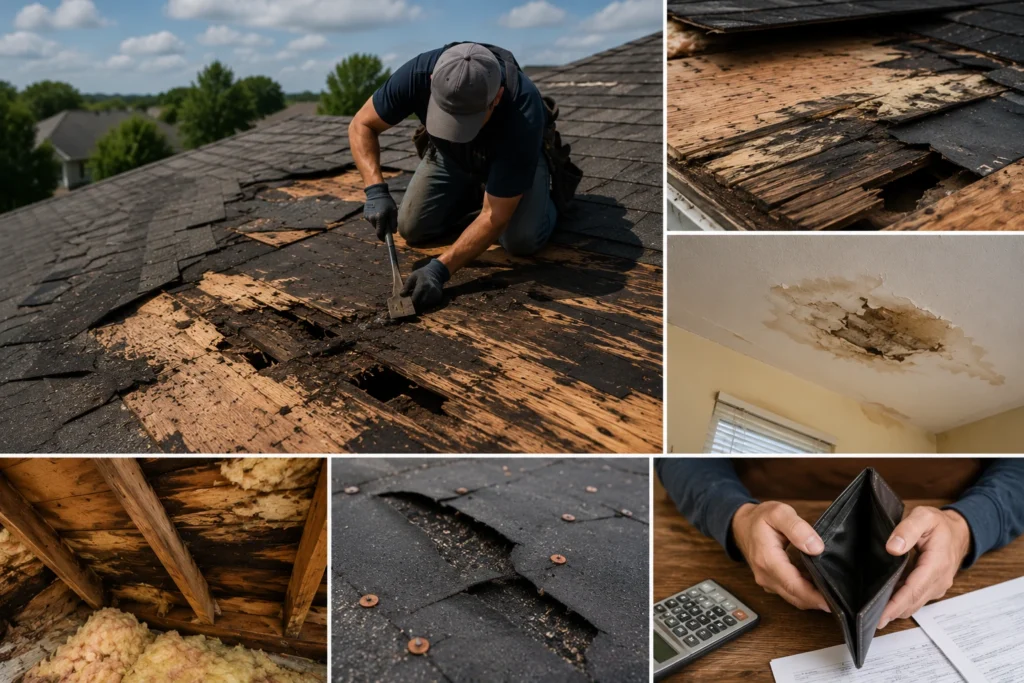
One of the most common reasons an underpaid hail damage insurance claim emerges involves hidden conditions uncovered during repairs. Initial inspections are often limited to visible conditions. Once materials are removed, additional issues may appear.
Examples include:
- Water-soaked decking
- Rotting wood
- Damaged underlayment
- Structural deterioration
- Fastener failures
These discoveries frequently require supplemental claim submissions. They also explain why contractor estimates sometimes differ substantially from initial insurance settlements.
The Financial Risks of Accepting an Underpaid Settlement
Many homeowners simply accept the first payment they receive. That decision can have long-term consequences.
Out-of-Pocket Expenses
The most obvious risk is financial. If repairs cost $20,000 and insurance pays $12,000, someone must cover the difference. Usually that someone is the homeowner.
Delayed Repairs
Insufficient funds often delay restoration projects. The longer repairs are postponed, the greater the risk of secondary damage.
Property Value Impact
Visible storm damage can affect property value. Potential buyers may hesitate when signs of unrepaired damage exist.
Escalating Damage
Small roofing problems rarely stay small. Water intrusion tends to spread. Structural issues worsen over time. Costs increase. What could have been corrected promptly becomes a larger restoration project.
The Claim Fight Most Homeowners Don’t Expect
Most homeowners prepare for the storm. They buy insurance. They maintain their property. They document damage after severe weather. What they often don’t anticipate is needing to challenge a settlement after coverage has already been approved. This is where frustration grows. The insurance company acknowledges damage.
Payment arrives. Everything seems resolved. Then contractors begin reviewing the estimate. Missing items appear. Repair costs exceed available funds. Questions arise. The focus shifts from weather damage to claim accuracy. For many policyholders, this becomes the most difficult stage of the entire recovery process.
Steps to Take If You Believe Your Claim Was Underpaid
Suspecting underpayment is one thing. Proving it is another. A systematic approach helps.
Review the Insurance Estimate
Read every line. Every item. Every quantity. Look for omissions and inconsistencies.
Obtain Independent Evaluations
Seek opinions from qualified roofing professionals. Independent inspections frequently identify overlooked damages.
Compare Scopes Side by Side
Create a comparison table.
| Item | Insurance Estimate | Contractor Estimate |
| Roof Replacement | Included | Included |
| Flashing | Missing | Included |
| Ridge Caps | Partial | Full Replacement |
| Underlayment | Missing | Included |
| Ventilation Components | Missing | Included |
These comparisons often reveal the source of disputes.
Gather Evidence
Photographs remain among the strongest forms of documentation.
Capture:
- Close-up damage photos
- Wide-angle roof photos
- Interior damage
- Gutters and downspouts
- HVAC impacts
Good documentation strengthens your position significantly.
How to Document an Underpaid Hail Damage Insurance Claim
Documentation wins arguments. Not emotion. Not assumptions.
Evidence.
Create a complete claim file containing:
- Insurance estimates
- Contractor estimates
- Inspection reports
- Repair invoices
- Storm reports
- Correspondence records
- Photographs
Organization matters. The more complete the documentation, the easier it becomes to support a request for additional consideration. Around this stage of a claim investigation, professionals often rely on highly detailed assessment methods and technical reporting. Similar analytical principles are used in fields such as photogrammetry, where measurements and observations are extracted from imagery to improve accuracy and decision-making. For homeowners in Terrell, maintaining a well-organized claim file can significantly improve the chances of a successful claim review.
Understanding Insurance Supplements
One of the most misunderstood parts of the claims process is the supplemental claim. Many homeowners assume the original estimate is final. It often is not. Insurance supplements exist because damage assessments can change as repairs progress and additional conditions become visible. In fact, supplements are common on larger roofing projects because contractors frequently uncover damage that could not be observed during the initial inspection.
What Is a Supplemental Claim?
A supplemental claim is a request for additional compensation after new information becomes available. This does not mean the insurance company made a mistake intentionally. Rather, it recognizes that the original estimate may not have captured the full scope of covered damage.
Common supplemental items include:
- Additional roofing materials
- Damaged decking
- Water-damaged insulation
- Ventilation upgrades
- Flashing replacement
- Code-required improvements
When supported by documentation, supplements can significantly increase claim payments.
Why Supplements Matter
Imagine a roof replacement begins and the contractor discovers multiple sections of deteriorated decking beneath the shingles. The decking was not visible during the initial inspection. As a result, it was not included in the original estimate. Without a supplement, the homeowner could become responsible for those costs. With proper documentation, however, the carrier may consider additional payment. That distinction can represent thousands of dollars.
The Role of a Public Adjuster in Underpaid Hail Claims
When homeowners suspect an underpaid hail damage insurance claim, they often feel overwhelmed. Insurance policies contain detailed language. Repair estimates can be confusing. Negotiations may become frustrating. This is where a public adjuster can provide value. Unlike insurance company adjusters, public adjusters work exclusively for policyholders. Their objective is to evaluate the claim independently and advocate for a fair settlement.
Independent Damage Evaluation
A public adjuster performs a detailed property inspection.
This often includes:
- Roof assessments
- Exterior evaluations
- Interior inspections
- Moisture investigations
- Documentation review
The goal is to identify all covered damages. Not just the obvious ones.
Policy Review
Coverage disputes often arise because homeowners do not fully understand their policy provisions.
A public adjuster can review:
- Coverage sections
- Exclusions
- Endorsements
- Deductibles
- Additional benefits
This helps ensure claim decisions align with policy language.
Scope Development
Accurate scopes drive accurate settlements. A comprehensive scope should include every damaged component that requires repair or replacement. When important items are omitted, claim values decrease. When all covered damages are documented properly, claim accuracy improves.
Why Homeowners in Terrell Often Seek Claim Assistance
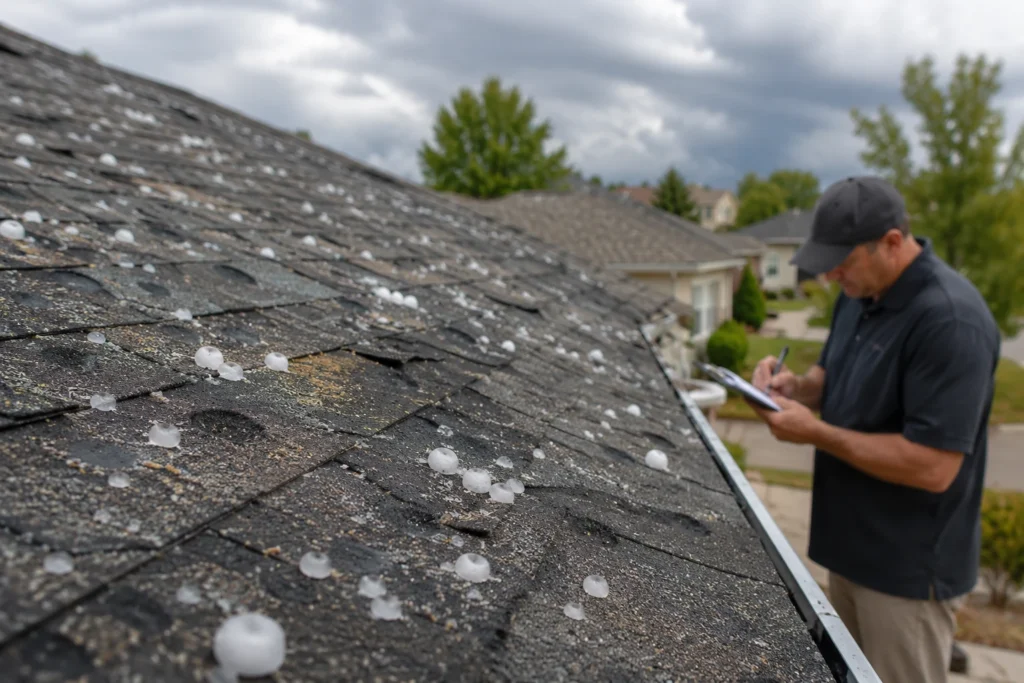
North Texas experiences some of the most severe hail activity in the country. Large hailstones can strike with tremendous force. The resulting damage is not always obvious from the ground. For homeowners in Terrell, this creates unique challenges. Roofing systems may sustain substantial impacts without displaying immediate leaks.
Damage can remain hidden for months. Sometimes even years. Meanwhile, weather conditions continue to expose vulnerable areas of the roof. Additionally, construction costs throughout Texas have increased significantly in recent years. When estimates fail to reflect current market conditions, settlement gaps become more noticeable. As a result, many homeowners in Terrell seek independent evaluations before accepting final claim payments.
Can You Reopen an Underpaid Hail Damage Insurance Claim?
Many homeowners believe that once they cash an insurance check, the matter is permanently closed. That is not always true. Depending on policy language and state regulations, additional review may still be possible.
Situations That May Justify Reopening a Claim
Several circumstances can support further claim evaluation:
- Hidden damage discovered later
- New contractor findings
- Supplemental documentation
- Pricing discrepancies
- Previously overlooked components
Every situation is unique. However, homeowners should not automatically assume their options have disappeared.
Review Policy Deadlines
Time matters. Insurance policies often contain deadlines for supplemental submissions and claim-related actions. The sooner concerns are addressed, the more flexibility homeowners typically have. Waiting too long can complicate the process.
Gather New Evidence
Strong evidence strengthens any reconsideration request.
Useful documentation may include:
- Updated contractor estimates
- Additional photographs
- Engineering reports
- Moisture testing results
- Material pricing documentation
Facts carry weight. Evidence carries even more.
When the Appraisal Process May Help
Not every dispute involves coverage. Sometimes everyone agrees that damage exists. The disagreement centers on value. This distinction is important. When the dispute concerns pricing or scope rather than coverage, the appraisal process may become an option.
Understanding Appraisal
Many property insurance policies contain appraisal provisions.
The process typically involves:
- The homeowner selecting an appraiser
- The insurance company selecting an appraiser
- An impartial umpire participating if necessary
- Determining the amount of loss
Appraisal can provide a structured method for resolving valuation disagreements without litigation.
Benefits of Appraisal
Potential advantages include:
- Faster resolution
- Independent evaluations
- Reduced legal expenses
- Focus on valuation issues
However, appraisal is not appropriate for every claim dispute. Professional guidance can help determine whether it makes sense for a particular situation.
Common Mistakes Homeowners Make After Receiving an Underpaid Settlement
Some mistakes occur repeatedly. Unfortunately, they can make claim recovery more difficult.
Assuming the Insurance Estimate Is Automatically Correct
Insurance estimates deserve review. Even well-intentioned inspections can miss damage. Verification is always worthwhile.
Failing to Obtain Multiple Opinions
One contractor’s opinion is helpful. Several qualified evaluations provide broader perspective. Additional inspections often uncover important details.
Delaying Repairs Too Long
Waiting indefinitely can create complications. Weather exposure continues. Secondary damage develops. Documentation becomes harder to obtain. Prompt action protects both the property and the claim.
Discarding Damaged Materials
Preserving evidence matters. Whenever possible, damaged materials should be photographed before removal. In some situations, retaining samples may also be beneficial.
Preventing Future Claim Underpayments
No homeowner can eliminate hail risk. However, several proactive steps can improve future claim outcomes.
Conduct Regular Roof Inspections
Routine inspections help establish baseline conditions. This makes it easier to distinguish storm-related damage from pre-existing conditions.
Photograph Your Property Before Storm Season
Current photographs provide valuable reference points. They help document the property’s condition before a loss occurs.
Maintain Repair Records
Organized maintenance records strengthen credibility during claim investigations.
Keep documentation for:
- Roof replacements
- Repairs
- Inspections
- Upgrades
- Maintenance work
Understand Your Policy Before a Storm Occurs
Many homeowners read their policy for the first time after damage occurs. That is rarely ideal. Reviewing coverage in advance can help eliminate surprises later.
Seek Professional Advice Early
The earlier concerns are identified, the easier they often are to address. Early intervention can prevent small disputes from becoming larger claim problems.
How Underpaid Claims Affect Long-Term Property Ownership
An underpaid hail damage insurance claim doesn’t only impact today’s repair bill. The consequences can extend much further.
Properties with unresolved storm damage may experience:
- Continued water intrusion
- Reduced energy efficiency
- Structural deterioration
- Mold growth
- Decreased resale value
These issues rarely improve on their own. Instead, they tend to become more expensive over time. This is why claim accuracy matters so much. A properly documented claim supports timely repairs. Timely repairs protect the property’s long-term condition. The connection is direct.
Why Detailed Documentation Often Changes Outcomes
Insurance claim outcomes frequently come down to one factor. Documentation. Not assumptions. Not opinions. Documentation. Detailed photographs, contractor reports, measurements, inspection notes, and repair estimates create a clearer picture of the loss. The more complete that picture becomes, the easier it is to evaluate whether the original settlement accurately reflects the damage. This is one reason professional claim reviews can be valuable. They often focus on identifying information that may have been overlooked initially.
Final Thoughts on Underpaid Hail Damage Insurance Claims
An underpaid hail damage insurance claim can place homeowners in a difficult position. The insurance company acknowledges damage, yet the settlement may fall short of what is necessary to restore the property properly. The good news is that homeowners are not powerless. By reviewing estimates carefully, obtaining independent evaluations, documenting damage thoroughly, and understanding available options, property owners can make informed decisions about their claims.
Whether the issue involves missing roof components, hidden structural damage, code requirements, or pricing discrepancies, a closer examination may reveal opportunities for additional recovery. For homeowners in Terrell, where severe hailstorms remain an ongoing threat, taking a proactive approach to claim review can help protect one of their most important investments. Before accepting any settlement as final, take the time to understand exactly what is included, what may be missing, and whether the compensation truly reflects the full scope of covered damage. A careful review today could prevent significant financial burdens tomorrow. When it comes to an underpaid hail damage insurance claim, knowledge, documentation, and persistence often make all the difference.
FAQs
Compare your insurance estimate with contractor repair estimates. Significant differences may indicate missing damage or undervalued repairs.
Yes. Homeowners can submit additional documentation, request reconsideration, or pursue other claim resolution options depending on their policy.
Underpayments often result from incomplete inspections, overlooked damage, pricing discrepancies, or missing repair items in the estimate.
Yes. An independent contractor or public adjuster can identify damages that may have been missed during the initial inspection.
Yes. Damage discovered after repairs begin may qualify for a supplemental claim if it is related to the covered hail loss.
A supplemental claim requests additional payment when new covered damage or repair costs are identified after the original estimate.
Not always. Depending on the circumstances and policy provisions, additional claim review may still be possible.
Yes. Hail can damage gutters, siding, windows, skylights, HVAC equipment, and other exterior property components.
Keep all estimates, photos, reports, invoices, and correspondence until the claim is fully resolved and repairs are completed.
Yes. A public adjuster can independently evaluate the loss, review policy coverage, and help present a more complete claim.