
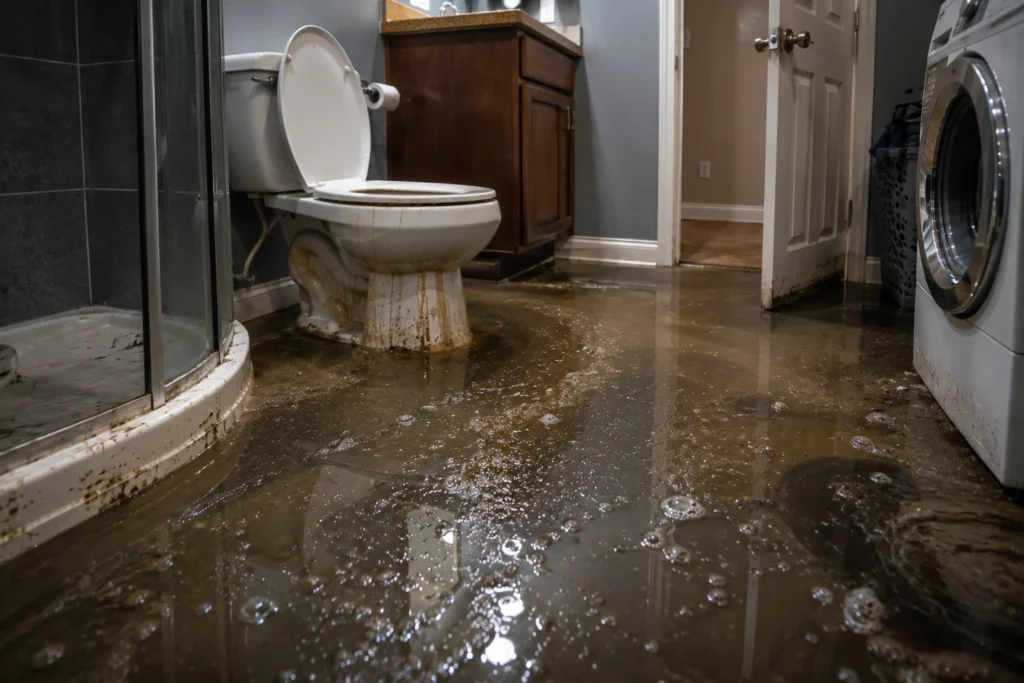
A sewage backup is one of the most disruptive and expensive property losses a homeowner can face. The damage often spreads quickly, cleanup costs escalate rapidly, and health concerns emerge almost immediately. That is exactly why understanding sewage backup insurance coverage before a loss occurs is so important. Waiting until contaminated water enters your home is simply too late. Many homeowners assume their insurance policy covers every type of water damage. Unfortunately, that assumption can become costly. Standard homeowners insurance policies frequently treat sewage backups differently than other forms of water damage. Consequently, many policyholders discover coverage limitations only after filing a claim.
Insurance policies can be surprisingly complex. In some ways, reviewing coverage resembles understanding a complicated scientific principle such as Entropy, where small details can significantly influence outcomes. Likewise, seemingly minor policy language can dramatically affect whether a sewage backup claim is covered, partially covered, or denied altogether. For property owners in Terrell, understanding coverage before a loss occurs can help avoid financial surprises during an already stressful situation. Moreover, proactive preparation often leads to faster recovery, smoother claims handling, and better protection for both property and finances.
What Is a Sewage Backup?
A sewage backup occurs when wastewater reverses direction and flows back into a structure through drains, toilets, sinks, showers, or floor drains. Instead of leaving the property through the sewer system, contaminated water returns inside. The consequences can be severe. Unlike clean water from a broken supply line, sewage contains contaminants that create health risks in addition to property damage. Therefore, cleanup typically requires specialized restoration procedures rather than simple drying methods.
Common Signs of a Sewage Backup
Many backups provide warning signs before substantial damage occurs.
Watch for:
- Multiple drains backing up simultaneously
- Gurgling sounds from toilets
- Slow-draining sinks and tubs
- Water appearing in basement floor drains
- Unpleasant odors near plumbing fixtures
- Wastewater entering showers or bathtubs
Although these symptoms may appear minor initially, they can quickly escalate into significant property damage.
Common Causes of Sewage Backups
Several factors can trigger a sewage backup.
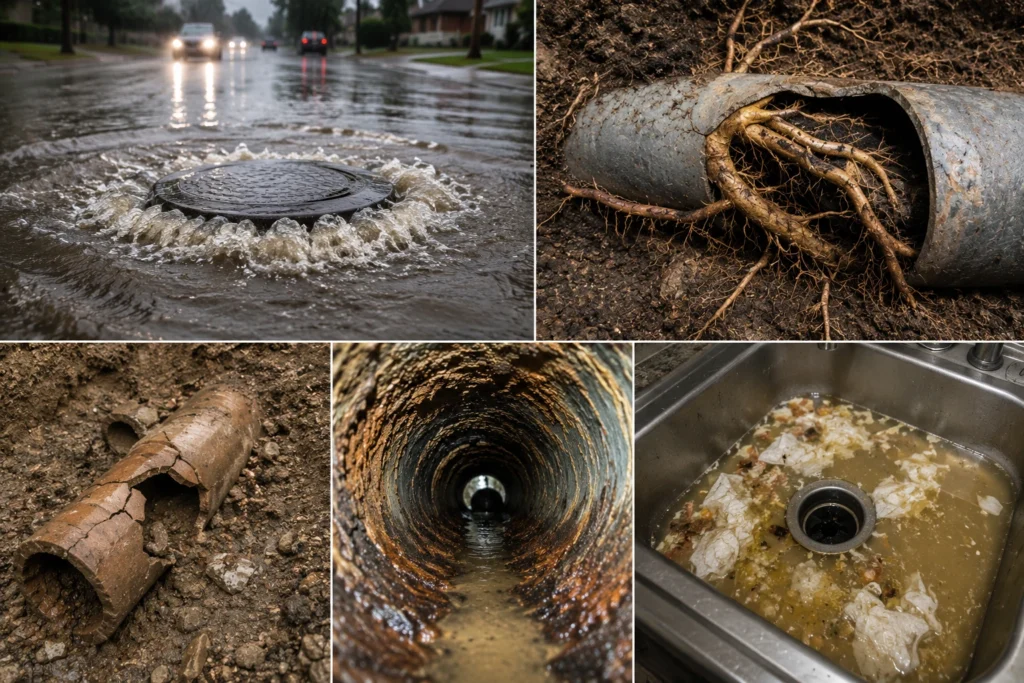
Municipal Sewer Blockages
Public sewer systems occasionally become obstructed by debris, grease, sediment, or infrastructure failures. When this occurs, wastewater may seek alternative paths. Unfortunately, homes often become that path.
Heavy Rainfall Events
Large storms sometimes overwhelm municipal sewer systems. As water volumes exceed system capacity, sewage may back up into residential properties. This situation becomes especially problematic in older communities with aging infrastructure.
Tree Root Intrusion
Tree roots naturally seek moisture. Over time, roots can penetrate sewer pipes through small cracks or joints. Eventually, blockages develop.
Aging Sewer Lines
Older sewer systems face deterioration from decades of use. Collapsed pipes, cracked connections, and corrosion can all contribute to backups.
Household Drain Obstructions
Improper disposal habits frequently contribute to plumbing problems.
Items commonly responsible include:
- Grease
- Paper towels
- Hygiene products
- Baby wipes
- Excessive food waste
Even products labeled “flushable” can create significant blockages.
Why Sewage Damage Is Different From Ordinary Water Damage
Not all water losses are equal. Insurance companies generally classify water losses according to the source of the water involved. Sewage backups are particularly serious because they involve contaminated water.
Health Risks
Sewage can contain:
- Bacteria
- Viruses
- Parasites
- Industrial contaminants
- Chemical pollutants
Exposure can create substantial health concerns, particularly for children, older adults, and individuals with weakened immune systems.
Structural Damage
Contaminated water does not simply wet surfaces. Instead, it penetrates building materials. Affected areas often include:
| Building Component | Potential Impact |
| Drywall | Saturation and contamination |
| Flooring | Swelling and deterioration |
| Insulation | Contamination and replacement |
| Cabinets | Water absorption |
| Framing | Long-term moisture exposure |
| HVAC Systems | Contamination concerns |
As a result, repair costs often exceed homeowner expectations.
Mold Development
Moisture creates favorable conditions for mold growth. Even after visible water disappears, hidden moisture may remain inside walls, flooring systems, and insulation. Consequently, remediation costs can continue increasing long after the initial backup occurs.
Does Homeowners Insurance Cover Sewage Backup?
This question creates confusion for many homeowners. The answer is often surprising. In many cases, standard homeowners insurance policies do not automatically provide sewage backup coverage.
What Standard Policies Typically Cover
Most homeowners policies cover sudden and accidental water damage from sources such as:
- Burst pipes
- Accidental plumbing leaks
- Appliance failures
- Water heater ruptures
However, sewage backups frequently fall into a different category.
Why Sewage Backup Claims Are Often Excluded
Insurance companies commonly view sewer backups as separate risks requiring additional protection.
Therefore, policies often contain exclusions related to:
- Sewer backups
- Drain backups
- Sump pump failures
- Water backup events
Without specific endorsements, homeowners may discover substantial gaps in coverage.
The Difference Between Water Damage and Water Backup
This distinction matters enormously. Consider the following comparison:
| Scenario | Typically Covered? |
| Burst water supply line | Often yes |
| Dishwasher overflow | Often yes |
| Sewer line backup | Often no without endorsement |
| Drain backup | Often no without endorsement |
| Sump pump failure | Often no without endorsement |
The source of the water frequently determines coverage eligibility.
What Is Sewage Backup Insurance Coverage?
This is where additional endorsements become valuable. Sewage backup insurance coverage is typically added to an existing homeowners insurance policy through a special endorsement. The endorsement expands protection beyond what a standard policy provides.
How Endorsements Work
An endorsement modifies your policy. Rather than replacing your existing insurance, it adds protection for specific risks. Think of it as strengthening a vulnerable area of your coverage.
What Sewage Backup Insurance Coverage Usually Covers
While policies vary, covered expenses may include:
- Water extraction
- Sewage removal
- Sanitization
- Drying services
- Damaged drywall replacement
- Flooring repairs
- Cabinet repairs
- Personal property damage
- Certain mold remediation expenses
The exact coverage depends on policy language and applicable limits.
Typical Coverage Limits
Many insurers offer several limit options.
| Coverage Option | Common Limit |
| Basic | $5,000 |
| Enhanced | $10,000 |
| Expanded | $25,000 |
| Premium | $50,000+ |
Selecting the proper limit requires careful evaluation of potential loss exposure. For example, a finished basement containing furniture, electronics, and flooring materials may require significantly higher limits than an unfinished storage area.
Sewer Backup Versus Flood Damage
Another area of confusion involves flood losses. Many homeowners mistakenly assume sewer backup and flood damage are identical. They are not.
Sewer Backup
A sewer backup originates from:
- Sewer systems
- Drain systems
- Plumbing systems
- Sump systems
Coverage often depends on endorsements.
Flood Damage
Flood damage generally originates from:
- Rising surface water
- Overflowing rivers
- Storm surge
- Widespread flooding conditions
Coverage usually requires a separate flood insurance policy. Understanding this distinction can prevent costly misunderstandings during the claims process.
Common Sewage Backup Scenarios
Every claim looks different. However, several situations appear repeatedly.
Basement Drain Backup
Basements often become the first area affected. Because floor drains sit at lower elevations, wastewater frequently emerges there before appearing elsewhere.
Toilet Overflow Caused by Sewer Backup
A sewer blockage can force wastewater upward through toilets. The resulting contamination can spread rapidly across multiple rooms.
Municipal Sewer Overflow
Heavy storms occasionally overwhelm public infrastructure. When sewer systems exceed capacity, nearby homes may experience backups.
Septic System Failures
Homes using septic systems face unique risks. System malfunctions can lead to backups similar to those experienced in municipal systems.
Sump Pump Failure Events
Although technically different from sewer backups, sump failures frequently create comparable damage and often require separate endorsements for coverage. One important point worth noting is that policyholders dealing with sewage losses sometimes face challenges similar to those encountered during an Underpaid Hail Damage Insurance Claim, where coverage exists but disputes arise regarding the extent of damages and repair costs.
Understanding Coverage Limits and Why They Matter
Purchasing an endorsement is only part of the equation. Coverage limits matter just as much. Many homeowners focus on whether they have coverage but overlook how much protection they actually purchased. Unfortunately, that mistake can become expensive after a major loss.
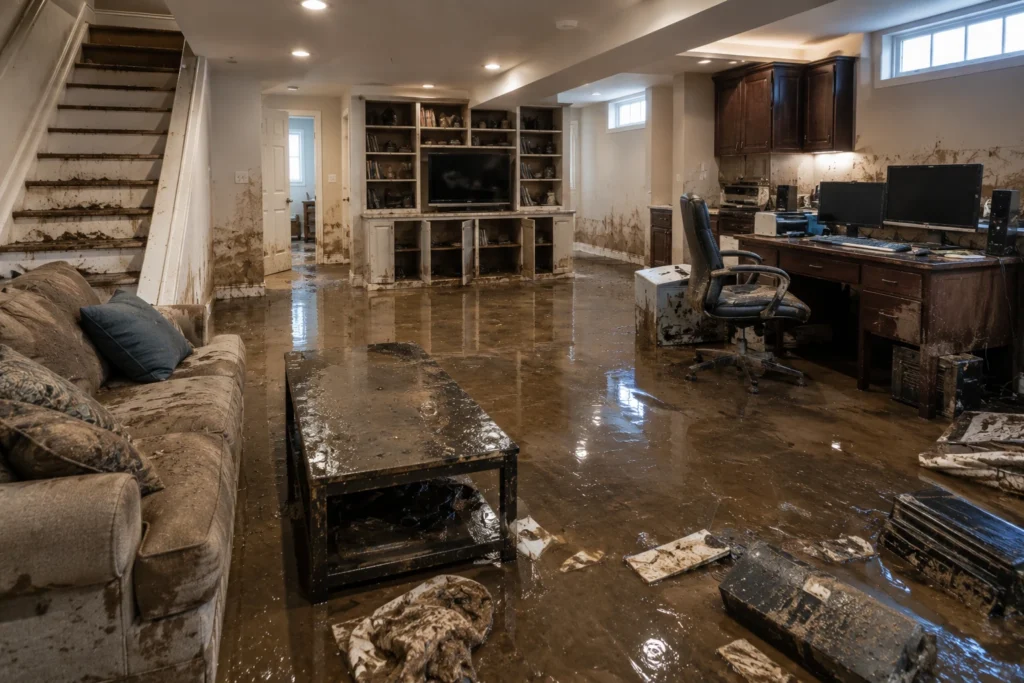
Imagine a finished basement containing:
- Luxury flooring
- Custom cabinetry
- Home office equipment
- Furniture
- Electronics
- Personal belongings
A severe sewage backup could easily generate tens of thousands of dollars in restoration expenses. If the policy limit is only $5,000, the homeowner may become responsible for the remaining costs.
Factors That Influence Needed Coverage
Several variables affect appropriate coverage limits.
Home Size
Larger homes often contain more finished space and more personal property.
Finished Basements
Finished lower levels frequently represent the highest-risk areas for sewage backup losses.
Property Value
Higher-value homes generally contain more expensive finishes and contents.
Personal Belongings
Furniture, electronics, appliances, and collectibles can significantly increase claim values. As a result, reviewing coverage limits annually is often a smart financial decision.
The True Cost of a Sewage Backup Loss
Many people underestimate the financial impact of sewage contamination. The visible water is often only the beginning.
Emergency Mitigation
The first stage typically involves emergency response services.
These may include:
- Water extraction
- Containment barriers
- Dehumidification
- Air filtration
- Safety measures
Emergency mitigation alone can cost thousands of dollars.
Contaminated Material Removal
Certain materials cannot be safely cleaned. Instead, they require removal and replacement.
Examples include:
- Carpet
- Carpet padding
- Drywall
- Insulation
- Baseboards
- Certain furniture items
The more extensive the contamination, the higher the restoration costs.
Reconstruction Expenses
After demolition comes rebuilding.
Reconstruction may involve:
- Drywall installation
- Painting
- Flooring replacement
- Cabinet repairs
- Electrical work
- Plumbing repairs
Many homeowners are surprised to discover that reconstruction often exceeds cleanup costs.
Personal Property Damage
Personal belongings are frequently affected.
Items commonly damaged include:
- Sofas
- Mattresses
- Area rugs
- Clothing
- Electronics
- Family heirlooms
Some items can be restored. Others must be replaced.
Temporary Living Expenses
In severe situations, portions of the home may become uninhabitable.
Additional expenses may include:
- Hotel accommodations
- Rental housing
- Restaurant meals
- Laundry services
These costs can accumulate quickly.
Filing a Sewage Backup Insurance Claim
The actions taken immediately after a loss can influence the outcome of a claim. Therefore, homeowners should approach the situation strategically.
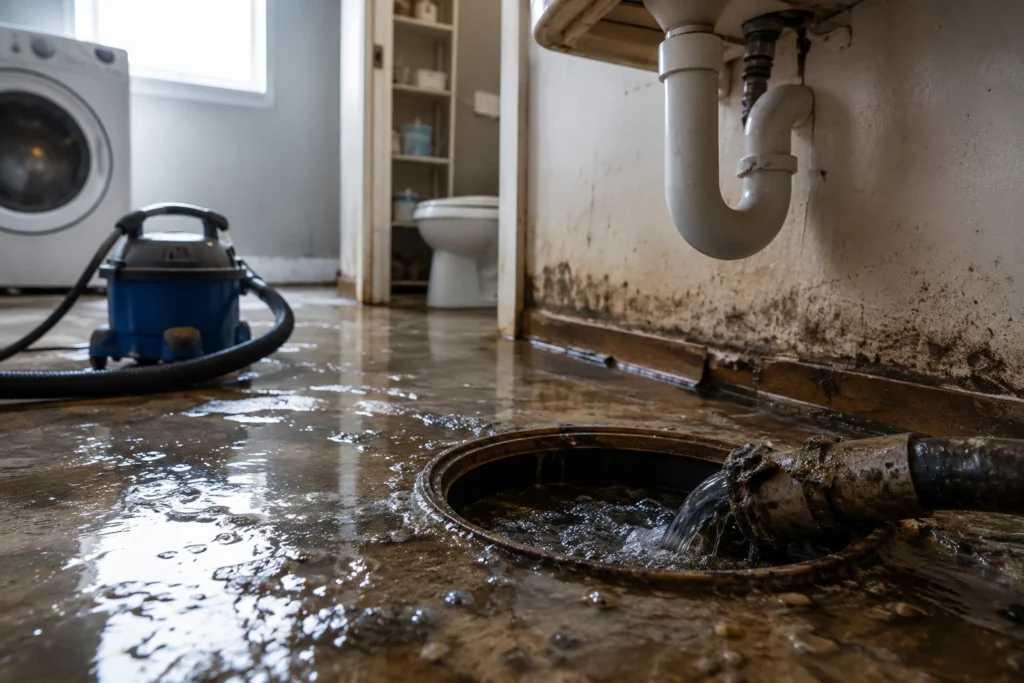
Step One: Protect Health and Safety
Safety comes first. Avoid direct contact with contaminated water whenever possible.
Protective equipment may include:
- Gloves
- Boots
- Eye protection
- Respiratory protection
If contamination is extensive, professional assistance is often necessary.
Step Two: Stop Additional Damage
Take reasonable measures to prevent further loss.
Examples include:
- Turning off affected plumbing fixtures
- Contacting emergency restoration contractors
- Removing unaffected belongings when safe
Most insurance policies require homeowners to mitigate additional damage.
Step Three: Document Everything
Documentation can significantly influence claim outcomes.
Photograph:
- Standing water
- Damaged materials
- Contaminated belongings
- Affected rooms
- Exterior conditions if relevant
Video documentation can also provide valuable context.
Step Four: Save Records
Keep copies of:
- Invoices
- Receipts
- Contractor estimates
- Restoration reports
- Communication with insurers
Comprehensive documentation often strengthens claims.
Understanding the Claims Investigation Process
After a claim is reported, the insurance company generally begins an investigation. This process often includes several steps.
Policy Review
The insurer reviews policy language, endorsements, exclusions, and applicable limits.
Site Inspection
An adjuster may inspect the property.
Their objective is to evaluate:
- Cause of loss
- Scope of damage
- Potential coverage issues
Damage Assessment
The insurer develops an estimate of repair costs. This estimate may become the foundation for settlement discussions.
Coverage Determination
Finally, the insurer decides:
- Whether coverage applies
- Which damages are covered
- Applicable policy limits
- Any exclusions affecting the claim
While many claims proceed smoothly, disputes can occur.
Why Sewage Backup Claims Get Denied
Claim denials can be frustrating. However, understanding common denial reasons helps homeowners avoid preventable issues.
Missing Endorsements
One of the most common problems involves the absence of sewage backup coverage. Without the necessary endorsement, coverage may not exist.
Maintenance Concerns
Insurance policies generally cover sudden and accidental events rather than ongoing neglect.
Examples may include:
- Long-term plumbing deterioration
- Repeated unresolved backups
- Deferred maintenance
Pre-Existing Damage
Insurers may dispute whether certain damage occurred before the reported loss.
Consequently, documentation becomes extremely important.
Insufficient Evidence
Lack of photographs, invoices, or professional assessments can complicate claim evaluations.
Coverage Limit Issues
Sometimes coverage exists, but available limits fail to match actual restoration costs. This can create substantial out-of-pocket expenses.
How Public Adjusters Can Help
Many property owners have never worked with a public adjuster. That is understandable. Most people file relatively few major property claims during their lives.
Policy Analysis
Insurance policies contain numerous provisions, exclusions, endorsements, and conditions. Public adjusters review policy language to identify potentially available coverage.
Independent Damage Evaluation
A public adjuster works on behalf of the policyholder rather than the insurance company.
This independent perspective can help identify:
- Hidden damage
- Overlooked materials
- Additional repair requirements
- Contamination concerns
Comprehensive Scope Development
The scope of repairs directly affects settlement amounts. An incomplete scope may omit legitimate damages. A comprehensive scope seeks to capture the full extent of loss. Public adjusters often assist during settlement discussions.
Negotiation Support
Their role may include:
- Reviewing estimates
- Presenting documentation
- Supporting supplemental claims
- Addressing disputed damages
For complex sewage backup losses, professional representation can provide valuable assistance.
Sewage Backup Prevention Tips
No prevention strategy eliminates risk entirely. Nevertheless, several measures can reduce the likelihood of future problems.
Schedule Regular Sewer Inspections
Professional inspections can identify:
Manage Tree Root Growth
Early detection frequently prevents larger issues.
Install a Backwater Valve
Backwater valves help prevent wastewater from flowing backward into a home. Although installation costs vary, many homeowners view them as worthwhile investments.
Maintain Sump Pumps
If your property relies on a sump pump, routine maintenance is essential.
Recommended practices include:
- Testing operation regularly
- Cleaning discharge lines
- Replacing aging components
Manage Tree Root Growth
Trees provide tremendous value. However, roots can damage underground sewer systems. Regular monitoring can help reduce risks.
Avoid Flushing Improper Materials
Items that should never enter drains include:
- Grease
- Cooking oils
- Hygiene products
- Paper towels
- Flushable wipes
Small habits can significantly reduce plumbing problems.
Sewage Backup Risks for Homeowners in Terrell
Property owners in Terrell face many of the same sewage backup risks encountered throughout Texas. Heavy rain events occasionally place pressure on drainage and sewer systems. Furthermore, aging infrastructure can contribute to system vulnerabilities in certain areas.
When significant storms occur, sewer systems may experience elevated demand. Consequently, backups become more likely. For homeowners in Terrell, reviewing insurance policies before severe weather seasons arrive is often a prudent step. Waiting until after a loss occurs limits available options.
Questions Every Homeowner Should Ask Their Insurance Agent
Many homeowners carry insurance policies for years without reviewing key coverage details. That can create unpleasant surprises.
Consider asking:
- Do I currently have sewage backup insurance coverage?
- What coverage limits apply?
- Does coverage include sump pump failures?
- Are mold-related damages covered?
- What exclusions apply?
- Are additional endorsements available?
These conversations often reveal gaps that can be corrected before a loss occurs.
When It May Be Time to Increase Coverage
Coverage needs change over time. Several situations may justify higher limits.
Home Renovations
Upgraded finishes increase replacement costs.
Finished Basements
Finished spaces often contain substantial value.
Rising Construction Costs
Material and labor costs continue changing. Coverage limits established years ago may no longer be adequate.
Increased Personal Property Values
Furniture, electronics, and appliances can significantly increase exposure. Regular policy reviews help maintain appropriate protection.
Final Thoughts
A sewage backup is more than a plumbing problem. It is a property damage event, a health concern, and often a financial challenge all at once. The good news is that many of the risks can be managed through preparation. Understanding policy language, reviewing endorsements, documenting losses thoroughly, and maintaining plumbing systems all contribute to stronger protection.
Most importantly, homeowners should never assume standard insurance policies automatically cover sewer backup losses. In many cases, dedicated sewage backup insurance coverage is required to fill critical protection gaps. Reviewing your policy today could prevent significant financial stress tomorrow. For property owners in Terrell, taking the time to understand coverage before disaster strikes may be one of the smartest insurance decisions you make. When wastewater unexpectedly enters a home, preparation matters. Proper coverage matters. And knowing your rights during the claims process can make all the difference.
FAQs
In many cases, no. Most standard homeowners insurance policies require a separate endorsement for sewage backup coverage.
It is an optional policy endorsement that may help cover damage caused by water or sewage backing up through drains, sewers, or sump systems.
The appropriate amount depends on your home’s size, finished areas, and the value of your belongings. Many homeowners choose limits between $10,000 and $25,000 or more.
Some policies may cover mold remediation if it directly results from a covered sewage backup event, but coverage varies by insurer.
Prioritize safety, stop additional damage if possible, document everything, and notify your insurance company as soon as practical.
Yes. Claims may be denied due to policy exclusions, lack of an endorsement, maintenance issues, or insufficient documentation.
Many endorsements provide coverage for damaged personal property, although limits and exclusions may apply.
No. Sewer backups and flood damage are generally treated as separate causes of loss and may require different types of insurance coverage.
If the loss is covered and policy limits allow, insurance may help pay for removing and replacing contaminated building materials.
Yes. A public adjuster can review policy language, document damages, and assist with presenting and negotiating a claim on behalf of the policyholder.