
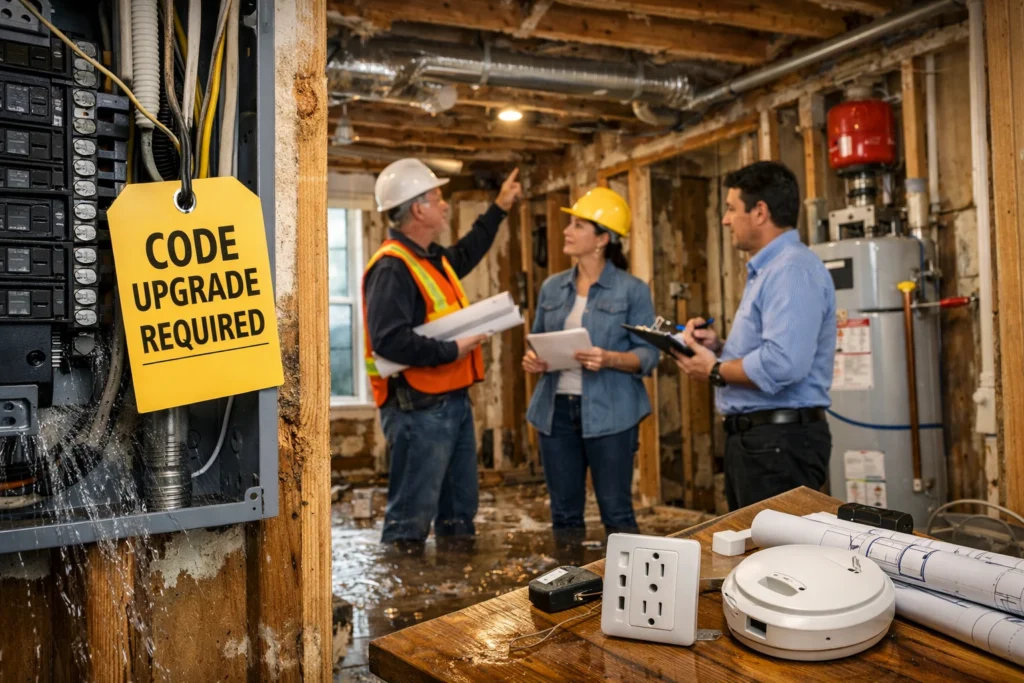
Insurance claims are supposed to restore a property after damage. Unfortunately, that process often breaks down because of one critical issue: what carriers commonly miss in their scope. A scope of loss forms the foundation of every insurance claim. It determines what repairs are included, what materials are replaced, and ultimately how much money the policyholder receives. When important items are omitted, the settlement can fall far short of what is actually needed to return the property to its pre-loss condition.
This problem affects homeowners and commercial property owners across the country. In communities like Terrell, where severe weather events regularly impact roofs, siding, windows, and other building components, incomplete scopes can create substantial financial burdens for property owners. Many people assume the insurance company’s estimate is comprehensive. It often isn’t.
While adjusters work hard and handle enormous claim volumes, inspections are typically limited by time, visibility, access, and available information. As a result, significant damage can remain undocumented. Understanding what carriers commonly miss in their scope can help property owners identify potential gaps before accepting a settlement.
Understanding the Insurance Scope of Loss
Before discussing omissions, it is important to understand what a scope of loss actually represents. The scope of loss is the detailed description of damage and required repairs resulting from a covered insurance event. It serves as the blueprint for the estimate.
Typically, the scope includes:
- Damaged components
- Repair methods
- Replacement materials
- Labor requirements
- Quantities and measurements
- Associated costs
Every line item matters.
A single missing component can trigger a chain reaction of underpayment that affects the entire claim. For example, if roofing accessories are omitted, the estimate may appear reasonable at first glance. However, contractors often discover additional required materials during construction. Suddenly, the actual repair cost exceeds the settlement by thousands of dollars. This is why reviewing every line item is so important.
Why Scope Accuracy Matters
Insurance claims are not just about damage. They are about restoration. The objective should be returning the property to its condition before the loss occurred. When the scope is incomplete, restoration becomes difficult or impossible without significant out-of-pocket expenses.
Consider the following comparison:
| Complete Scope | Incomplete Scope |
| Includes all damaged materials | Omits critical components |
| Accounts for code requirements | Ignores required upgrades |
| Reflects actual repair costs | Produces lower settlement |
| Supports full restoration | Creates funding gaps |
| Reduces disputes | Increases supplemental claims |
The difference can be substantial. Many underpaid claims begin with seemingly small omissions that compound throughout the repair process.
Why Carriers Miss Items in Their Scope
Most omissions are not the result of bad intentions. Instead, they often stem from practical limitations.
Limited Inspection Time
Adjusters frequently inspect multiple properties each day. Following a major storm, claim volumes can increase dramatically. Hundreds or even thousands of inspections may be scheduled within a short period. Under these conditions, inspections often focus on the most obvious damage. Subtle issues can be missed. Hidden damage can remain undocumented. Important details can slip through the cracks.
Hidden and Secondary Damage
Not all damage is immediately visible. Many forms of property damage develop beneath the surface.
Examples include:
- Wet insulation
- Hidden roof deck damage
- Moisture behind walls
- Structural movement
- Interior water migration
These conditions may require invasive testing or specialized inspections to identify. If those inspections are not performed, damage may never appear in the original scope.
Dependence on Estimating Software
Most insurance estimates are created using industry-standard software. While these programs are useful, they are only as accurate as the information entered into them. Software cannot identify missing components. Software cannot inspect the property. Software cannot determine whether hidden damage exists. Human judgment remains critical.
Focus on Visible Damage
Visible damage is easier to document. Unfortunately, visible damage is often only part of the story. A roof may show obvious hail strikes. However, flashing systems, underlayment, decking, ventilation components, and fasteners may also be affected.
When inspections focus solely on visible conditions, important repair items can be overlooked.
Roofing Components Commonly Left Out
Roof claims generate some of the largest disputes involving what carriers commonly miss in their scope. Many estimates include shingles but omit numerous supporting components required for proper replacement.
Flashing Systems
Flashing protects vulnerable roof transitions. It is one of the most important waterproofing components on the property. Yet flashing frequently gets overlooked.
Common examples include:
- Step flashing
- Valley flashing
- Counter flashing
- Chimney flashing
- Wall flashing
When damaged flashing remains in place, future leaks become much more likely.
Roof Vent Components
Ventilation systems often suffer storm-related damage. However, they may not appear on the estimate.
Inspectors commonly overlook:
- Ridge vents
- Pipe jack flashings
- Turbine vents
- Static vents
- Vent boots
These items play a critical role in protecting the roofing system. Failure to replace damaged ventilation components can compromise the entire roof assembly.
Starter Shingles and Ridge Caps
Many homeowners never realize these materials exist. Contractors know better. Starter shingles and ridge cap shingles are essential installation components. Manufacturers often require them. Warranty compliance frequently depends on them. Yet they are among the most commonly omitted roofing items.
Underlayment Systems
The roofing surface is only one layer of protection. Beneath the shingles lies the underlayment. This layer helps prevent water intrusion if surface materials fail. Damage to underlayment may not be visible during a standard inspection. Nevertheless, replacement may be necessary depending on the repair scope. When omitted, property owners may face unexpected expenses during construction.
Roof Deck Damage
Storm events can expose underlying structural problems. Water intrusion may damage roof decking long before leaks become visible inside the property.
Contractors frequently discover:
- Soft decking
- Delamination
- Rot
- Moisture damage
These issues often emerge only after roofing materials are removed. As a result, decking repairs are frequently absent from initial carrier estimates.
Exterior Property Damage Often Missed
Roofs receive most of the attention. The exterior envelope deserves equal scrutiny.
Gutters and Downspouts
Hail and wind frequently damage drainage systems. Even minor dents can affect appearance and functionality.
Carriers sometimes focus exclusively on roofing materials while overlooking:
- Gutter sections
- Downspouts
- Gutter guards
- Splash blocks
- Fasteners
These components contribute to overall property protection.
Window Screens
Screen damage is common following hail events. Tiny punctures may not be visible from ground level. However, closer inspection often reveals extensive impacts. Replacement costs can become significant on larger properties.
Siding Damage
Siding presents unique challenges. Cracks, fractures, punctures, and hidden moisture intrusion can develop after severe weather events. Matching issues further complicate repairs. Even when only one section sustains damage, replacement materials may no longer be available. This creates a restoration problem that many initial scopes fail to address.
Fence Damage
Fence systems absorb tremendous force during high-wind events.
Common issues include:
- Leaning sections
- Broken posts
- Loose fasteners
- Structural instability
- Gate damage
Because fences are often secondary inspection priorities, damage can remain undocumented.
Exterior Finishes and Paint
Surface damage may appear minor. Yet repairs often require extensive preparation and blending. Matching paint colors across weathered surfaces can be difficult. Consequently, the actual restoration cost may exceed the amount included in the original estimate.
Interior Damage Frequently Excluded
Interior damage often develops after exterior damage occurs. Unfortunately, it may not appear immediately. This delay creates problems.
Ceiling Stains and Water Intrusion
A small roof opening can create widespread interior damage over time. Water travels. It follows gravity. It migrates through insulation and framing. The visible stain on the ceiling may represent only a fraction of the actual damage. Therefore, inspections that focus exclusively on visible staining often underestimate the scope of repairs.
Drywall Repairs
Drywall restoration involves more than replacing damaged material. Texture matching presents a major challenge. Paint blending creates additional complications. In some situations, repairing a small section can produce an obvious visual difference. Full-wall restoration may be necessary to achieve a uniform appearance. That reality is frequently missing from carrier estimates.
Flooring Damage
Flooring claims are often more complex than they appear.
Water may affect:
- Surface materials
- Underlayment
- Adhesives
- Padding
- Subfloors
The visible damage rarely tells the entire story. Consequently, flooring-related supplements are among the most common claim adjustments.
Insulation Issues
Wet insulation loses effectiveness. It can also contribute to moisture retention and mold growth. Nevertheless, insulation replacement is often overlooked during initial inspections. Professional moisture testing frequently reveals a much larger affected area than originally documented.
Mold Prevention and Remediation
Mold creates additional complexity. Moisture-related claims require prompt evaluation because microbial growth can begin rapidly under the right conditions. Many scopes focus on repairing visible damage while overlooking necessary moisture mitigation measures. In certain situations, specialized drying procedures may significantly reduce future restoration costs.
Ignoring these needs can create larger problems later. Interestingly, evaluating hidden moisture movement can resemble studying complex scientific systems such as nonlinear systems, where small variables can produce unexpectedly large outcomes. The same principle often applies to water damage inside a structure. A seemingly minor leak can eventually affect multiple rooms, materials, and systems.
Code Upgrade Requirements Carriers Commonly Miss
One of the most expensive categories of omitted damage has nothing to do with the damage itself. Instead, it involves building codes. Many properties were constructed years or even decades ago. Building standards evolve over time. Consequently, repairs performed today may require compliance with regulations that did not exist when the structure was originally built.
This creates a common problem. The carrier may scope repairs based solely on replacing damaged materials. Meanwhile, local regulations may require additional upgrades before the work can legally proceed.
Building Code Compliance
Contractors routinely encounter situations where code requirements increase repair costs.
Examples may include:
- Additional underlayment requirements
- Updated fastening patterns
- Enhanced wind-resistance standards
- Fire protection requirements
- Ventilation modifications
These items can significantly affect project costs. However, they may not appear in the initial estimate.
Ventilation Requirements
Roof ventilation receives far less attention than shingles.
That is unfortunate because ventilation directly affects roof performance.
Improper ventilation can contribute to:
- Excessive attic temperatures
- Moisture buildup
- Premature roofing failure
- Reduced energy efficiency
Modern code requirements may mandate ventilation improvements during repairs. Yet these upgrades are often absent from carrier scopes.
Fasteners and Attachment Systems
Storm-prone areas frequently require stronger attachment methods than older construction standards provided. Roofing systems, siding, and structural components may need upgraded fasteners to meet current requirements. Missing these items can leave property owners with substantial unexpected expenses.
Commercial Property Scope Omissions
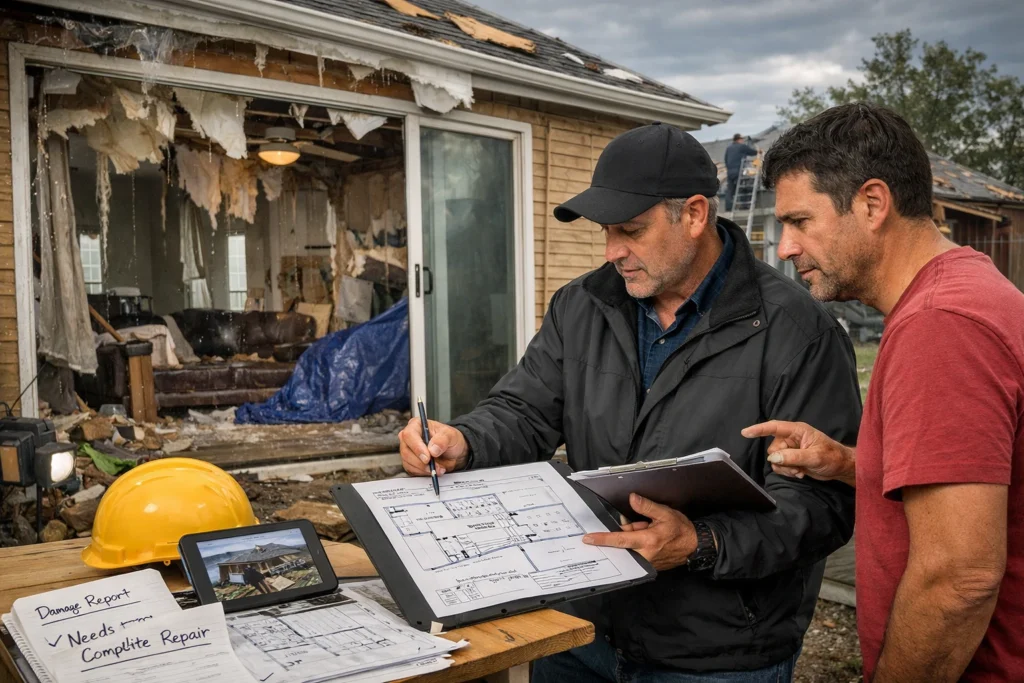
Commercial claims introduce another layer of complexity. Larger structures contain more systems. More systems create more opportunities for omissions. As a result, commercial properties frequently experience under-scoped losses.
Roofing Systems
Commercial roofing differs dramatically from residential roofing.
Common systems include:
- TPO membranes
- EPDM roofing
- Modified bitumen
- Built-up roofing systems
Damage may affect:
- Membranes
- Seams
- Flashings
- Insulation boards
- Fastener systems
A visual inspection alone may not reveal the full extent of the loss.
HVAC Equipment
Many severe storms impact rooftop HVAC equipment. Unfortunately, damage is not always obvious.
Hail may affect:
- Condenser coils
- Protective fins
- Housing components
- Electrical systems
Equipment can continue functioning while still sustaining damage. This often leads to disputes regarding repair versus replacement.
Signage and Exterior Features
Commercial properties frequently contain valuable exterior assets.
These may include:
- Monument signs
- Pole signs
- Lighting systems
- Decorative facades
Because inspections tend to prioritize roofs and building envelopes, these features are sometimes overlooked.
Business Interruption Considerations
Property damage is only part of the equation. Businesses may also suffer operational disruptions.
Revenue losses can occur due to:
- Temporary closures
- Reduced customer access
- Equipment downtime
- Repair-related interruptions
These financial impacts require separate evaluation and documentation. Yet they are frequently underrepresented during the early stages of a claim.
The Problem With Cosmetic Damage Determinations
Few claim disputes generate more frustration than cosmetic damage arguments. Property owners see obvious damage. The carrier labels it cosmetic. The disagreement begins.
Cosmetic Versus Functional Damage
Insurance carriers often distinguish between cosmetic and functional damage. From their perspective, cosmetic damage affects appearance but not performance. Functional damage affects the property’s ability to perform its intended purpose. The challenge lies in determining where one category ends and the other begins.
Long-Term Consequences
A dented metal roof may still shed water today. Will it perform the same way ten years from now? That question becomes far more difficult to answer.
Repeated impacts can contribute to:
- Protective coating failure
- Accelerated corrosion
- Reduced service life
- Future maintenance issues
These consequences may not be immediately apparent during the inspection.
When Cosmetic Damage Becomes Functional Damage
Storm damage rarely exists in a vacuum. Minor impacts can combine with environmental exposure over time. A condition initially classified as cosmetic may later contribute to measurable deterioration. This is one reason understanding what carriers commonly miss in their scope is so important for property owners evaluating settlement offers.
How Policyholders Can Identify Missing Items
Most property owners are not construction experts. That is perfectly normal. However, there are practical steps anyone can take to identify potential omissions.
Compare Multiple Estimates
Never assume one estimate tells the entire story. Contractor estimates often reveal differences in scope. Reviewing estimates side-by-side can expose missing items that deserve further investigation.
Pay close attention to:
- Material quantities
- Labor categories
- Accessory components
- Code-related items
- Interior repairs
Small differences can have large financial implications.
Request Supporting Documentation
Documentation matters. The stronger the documentation, the stronger the claim.
Helpful materials include:
- Photographs
- Inspection reports
- Measurements
- Moisture readings
- Contractor evaluations
Evidence creates clarity. Clarity improves negotiations.
Review Every Line Item
Most people focus on the total amount. That can be a mistake. The real story often appears within the details.
Ask questions such as:
- Were all damaged components included?
- Were removal costs included?
- Are disposal costs present?
- Were accessories accounted for?
- Are code upgrades addressed?
A careful review frequently uncovers gaps.
Seek Independent Evaluations
Independent inspections often provide valuable perspective. Professionals may identify damage that was not documented during the original inspection. This is especially important after major wind and hail events. Many cases involving an Underpaid Hail Damage Insurance Claim ultimately stem from incomplete scoping rather than outright denial. The carrier may have acknowledged the loss. The estimate simply failed to capture the full extent of required repairs.
How Public Adjusters Help Correct Incomplete Scopes
Public adjusters focus exclusively on representing policyholders. Unlike carrier adjusters, their responsibility is to the property owner. This distinction matters.
Comprehensive Damage Assessment
A thorough inspection goes beyond visible damage.
The process often includes:
- Detailed roof evaluations
- Exterior inspections
- Interior assessments
- Moisture investigation
- Documentation review
The objective is identifying all covered damage. Not just the obvious portions.
Scope Development
A complete scope serves as the foundation for negotiations. Every damaged component should be documented and supported. This process often reveals numerous omissions from the original estimate.
Common discoveries include:
- Missing accessories
- Additional labor requirements
- Code-related costs
- Interior damage
- Secondary damage
Supplemental Claim Negotiations
Insurance claims are not always finalized with the initial payment. Additional information may justify supplemental payments.
Public adjusters frequently assist with:
- Evidence presentation
- Scope revisions
- Damage documentation
- Settlement negotiations
The goal remains simple. Achieve a settlement that reflects the actual loss.
Advocating for Full Restoration
Property owners purchase insurance for protection. The expectation is straightforward. Covered losses should be repaired properly. A complete scope supports that outcome. An incomplete scope often prevents it.
Why Property Owners in Terrell Should Pay Attention to Scope Accuracy
Weather events in Terrell can expose properties to significant damage. Windstorms. Hailstorms. Heavy rain. Extreme temperatures. Each presents unique challenges for property owners. Unfortunately, severe weather also creates claim volume. Higher claim volume increases the likelihood of rushed inspections and incomplete documentation. That makes scope review especially important.
Local Construction Considerations
Different regions utilize different building materials and construction practices. Repair requirements in Terrell may differ from those in other parts of the country. Roofing systems, exterior finishes, and local regulations all influence restoration costs. An estimate should reflect those realities. Not generic assumptions.
Protecting Long-Term Property Value
An under-scoped claim does more than create immediate repair issues. It can affect long-term property value.
Incomplete repairs may contribute to:
- Future water intrusion
- Accelerated deterioration
- Reduced curb appeal
- Higher maintenance expenses
Addressing omissions early helps avoid larger costs later.
Common Red Flags That Indicate an Under-Scoped Claim
Property owners should remain alert for warning signs. Certain patterns frequently appear in incomplete estimates.
Surprisingly Low Settlement Amounts
If multiple contractors provide estimates significantly higher than the carrier’s estimate, further investigation may be warranted. A major discrepancy often indicates missing scope items.
Missing Roofing Accessories
Roofing estimates that include only shingles deserve careful review. Many supporting components are necessary for proper installation. Their absence may indicate an incomplete scope.
Limited Interior Repairs
Water intrusion rarely affects only one visible area. If interior repairs appear unusually limited, additional evaluation may be beneficial.
Minimal Labor Charges
Labor represents a substantial portion of restoration costs. Insufficient labor allocations can create serious funding gaps during construction. No Code Upgrade Considerations Older properties frequently require upgrades during repairs. If no code-related items appear in the estimate, questions should be asked.
Final Thoughts on What Carriers Commonly Miss in Their Scope
Insurance claims succeed or fail based on details. Those details live inside the scope of loss. While many claims are handled appropriately, property owners should never assume the initial estimate captures every damaged component. Time constraints, hidden damage, code requirements, and inspection limitations can all contribute to omissions. Understanding what carriers commonly miss in their scope helps property owners make informed decisions before accepting a settlement. It also provides a framework for evaluating whether additional inspections, documentation, or professional assistance may be necessary.
Throughout the claim process, the focus should remain on complete restoration rather than simply reaching a quick settlement. For homeowners and business owners in Terrell, that distinction can mean the difference between a property that is fully restored and one that continues experiencing problems long after repairs are supposedly complete. Ultimately, the best protection is knowledge. The more you understand about what carriers commonly miss in their scope, the better equipped you will be to identify gaps, challenge incomplete estimates, and pursue a settlement that accurately reflects the true cost of restoring your property.
FAQs
A scope of loss is the detailed list of damages and repairs included in an insurance estimate after a covered event.
Adjusters often work under time constraints, and some damage may be hidden, inaccessible, or not visible during the initial inspection.
Flashing, ridge caps, starter shingles, underlayment, ventilation components, and damaged roof decking are frequently overlooked.
Yes. Moisture behind walls, wet insulation, and concealed structural damage may not be discovered during a standard inspection.
Compare both estimates carefully and ask for explanations regarding any missing line items or repair categories.
They may be covered if your policy includes ordinance or law coverage, which helps pay for required code-related upgrades.
Look for missing repair items, unusually low labor costs, omitted accessories, and a lack of code compliance considerations.
Yes. New findings can often be submitted through a supplemental claim with supporting documentation.
A public adjuster performs a detailed damage assessment, develops a comprehensive scope, and negotiates with the carrier on your behalf.
A thorough review helps ensure all covered damages are included and reduces the risk of paying out of pocket for necessary repairs.