

Few letters create more frustration than a notice stating your insurance claim has been denied. If you’ve recently experienced this situation, you’re not alone. Learning how to appeal an insurance claim denial can mean the difference between absorbing a major financial loss and obtaining the coverage you paid for through years of premium payments. The experience often feels unfair. A storm damages your roof. A pipe bursts inside your home. A fire affects part of your property. You submit a claim expecting assistance, only to receive a denial letter explaining why the insurance company believes payment is not owed.
At first glance, the process may seem overwhelmingly complex. In reality, many denied claims can be challenged successfully when policyholders understand the proper steps. Interestingly, the process shares similarities with concepts found in Epistemology, the study of knowledge and justification. Insurance appeals often revolve around proving what happened, why it happened, and whether the available evidence supports coverage under the policy. The truth is simple. A denial is not always the final answer. Many property owners discover that additional documentation, expert opinions, or policy clarification can change the outcome. The key is knowing what to do next. This guide explains exactly how to appeal an insurance claim denial, avoid common mistakes, and improve your chances of securing a fair resolution.
Understanding Insurance Claim Denials
Before filing an appeal, it helps to understand what a denial actually means. Many policyholders assume a denial indicates the insurance company has completed a perfect investigation and reached a definitive conclusion. That is not always the case. Insurance companies process thousands of claims every year. Adjusters work under deadlines. Inspections sometimes occur quickly. Documentation may be incomplete. Important details occasionally get overlooked. As a result, denials sometimes stem from missing information rather than an actual lack of coverage.
What Is an Insurance Claim Denial?
A denial occurs when the insurer determines that all or part of a submitted claim does not qualify for payment under the policy. There are generally three outcomes after a claim investigation:
| Outcome | Description |
| Full Approval | Claim is paid according to policy terms |
| Partial Approval | Some damages are covered while others are denied |
| Full Denial | Entire claim is rejected |
Even when a claim is denied, policyholders typically retain appeal rights. That matters. Because appealing may uncover information the insurer did not initially consider.
Common Reasons Insurance Claims Are Denied
Insurance companies frequently cite several reasons when rejecting claims. Some are legitimate. Others may deserve closer examination.
Common denial reasons include:
- Alleged policy exclusions
- Lack of documentation
- Missed filing deadlines
- Disputed cause of loss
- Pre-existing damage
- Maintenance-related issues
- Incomplete inspections
- Coverage interpretation disputes
Understanding the insurer’s stated reason becomes the foundation of any appeal strategy.
Why Valid Claims Sometimes Get Denied
This may surprise many homeowners. Not every denial means the claim lacked merit. Consider situations involving severe storms. Following major weather events, insurers often face enormous claim volume. Inspectors may have limited time per property. Some damages are obvious. Others remain hidden beneath roofing materials, behind walls, or inside structural systems.
When inspections miss important details, claim decisions may become inaccurate. This is one reason many professionals refer to denied claims as investigations that deserve a second look rather than automatic rejections.
Step 1: Carefully Review the Denial Letter
The denial letter contains valuable information. Do not skim it. Read it carefully. Then read it again. Many successful appeals begin by identifying weaknesses, inconsistencies, or unsupported conclusions within the insurer’s explanation.
Identify the Exact Reason for Denial
Look for specific language explaining why coverage was rejected.
Questions to ask include:
- What policy provision was cited?
- What evidence supports the denial?
- What facts did the insurer rely upon?
- Were photographs or inspections referenced?
Vague explanations should raise questions. The more specific the denial rationale, the easier it becomes to evaluate.
Compare the Denial Against the Policy
This step is critical. Insurance policies contain hundreds of pages in some cases. Nevertheless, policyholders should review every section referenced by the denial letter.
Pay close attention to:
- Coverage provisions
- Exclusions
- Conditions
- Endorsements
- Definitions
A surprising number of disputes originate from differing interpretations of policy language. One sentence can change everything.
Request Additional Documentation
Many policyholders never realize they can request additional information.
Ask for:
- Inspection reports
- Photographs
- Adjuster notes
- Estimates
- Engineering reports
- Claim file documents
These materials often reveal how the insurer reached its conclusions. Understanding that process can help identify weaknesses in the denial.
Step 2: Gather Strong Supporting Evidence
Appeals succeed because of evidence. Not emotions. Not assumptions. Evidence wins disputes. The stronger your documentation, the stronger your position becomes.
Collect Comprehensive Property Damage Documentation
Start with visual evidence. Photographs and videos remain among the most persuasive forms of documentation.
Capture:
- Damaged roofing
- Water intrusion
- Structural damage
- Flooring impacts
- Interior finishes
- Personal property losses
Document everything thoroughly. Then organize it systematically. A disorganized collection of images is less effective than a clear presentation showing the progression and extent of damage.
Obtain Independent Repair Estimates
Contractors often identify issues missed during initial inspections. Request detailed estimates from qualified professionals.
Strong estimates should include:
- Scope of work
- Material requirements
- Labor costs
- Repair methodology
- Supporting photographs
The more detailed the estimate, the more persuasive it becomes during review.
Seek Expert Opinions
Some disputes require technical expertise. Depending on the loss, experts may include:
- Structural engineers
- Roofing specialists
- Water mitigation professionals
- Building consultants
- Fire restoration experts
Independent evaluations can significantly strengthen appeals involving complex damage scenarios.
Organize All Communications
Create a claim file.
Include:
- Emails
- Letters
- Inspection schedules
- Phone logs
- Photographs
- Reports
- Estimates
This file may become invaluable later. Every communication matters. Every document has potential value.
Step 3: Understand Your Policy Language
Many appeals succeed because policyholders take the time to understand their coverage. Insurance policies are contracts. Contract language matters. A lot.
Coverage Sections That Deserve Special Attention
Focus on the sections most relevant to your loss. These often include:
Dwelling Coverage
Protects the physical structure of the property.
Personal Property Coverage
Addresses damaged belongings and contents.
Additional Living Expenses
May reimburse temporary housing costs when the home becomes uninhabitable.
Commercial Property Coverage
Applies to many business-related losses.
Key Definitions Matter
Insurance disputes frequently revolve around definitions.
Examples include:
- Direct physical loss
- Sudden damage
- Covered peril
- Wear and tear
- Excluded causes
These definitions often determine whether coverage applies.
Why Interpretation Is Important
Two parties can read identical policy language and reach different conclusions. That happens regularly. A denial based on one interpretation does not automatically mean alternative interpretations lack merit. This reality sits at the heart of many successful appeals.
Step 4: Write a Strong Appeal Letter
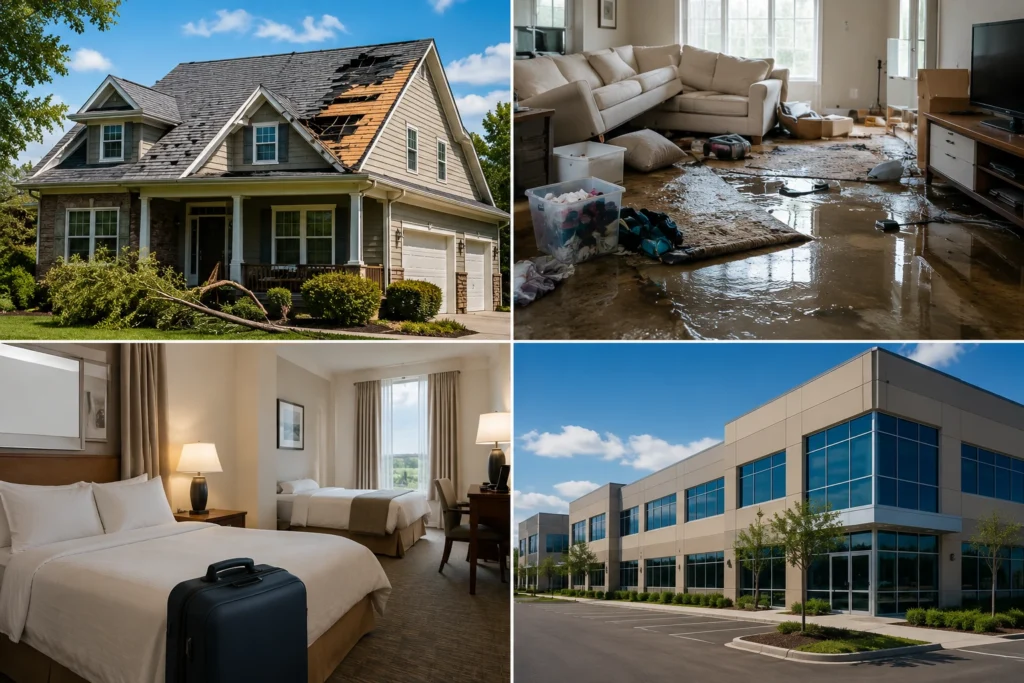
Now the appeal process becomes formal. Your appeal letter serves as the foundation of your challenge. It should be professional. Organized. Evidence-driven. And persuasive.
Information Every Appeal Letter Should Include
Your letter should clearly identify:
- Policy number
- Claim number
- Date of loss
- Property address
- Date of denial
- Summary of damages
- Reason for disagreement
Keep the focus on facts. Avoid emotional arguments. Evidence carries more weight.
Appeal Documentation Checklist
| Document | Purpose |
| Denial Letter | Establishes insurer position |
| Policy Excerpts | Supports coverage arguments |
| Photos | Demonstrates damage |
| Videos | Provides visual context |
| Estimates | Supports repair costs |
| Expert Reports | Validates findings |
| Correspondence | Documents claim history |
Writing Tips That Improve Credibility
Strong appeal letters typically:
- Remain professional
- Reference policy language
- Cite supporting evidence
- Explain disagreements clearly
- Avoid accusations
- Stay concise but thorough
The goal is not confrontation. The goal is persuasion. Think of the appeal as a carefully documented presentation rather than an argument.
Step 5: Submit the Appeal Properly
A strong appeal can lose effectiveness if it is submitted incorrectly. That sounds obvious. Yet it happens more often than many people realize. Insurance companies typically provide specific appeal procedures. Failing to follow those procedures can create delays and, in some cases, jeopardize your ability to challenge the decision.
Follow Every Appeal Requirement
Review the denial letter carefully and identify:
- Submission deadlines
- Required forms
- Supporting documentation requirements
- Mailing addresses
- Email submission instructions
- Claim representative contact information
Deadlines matter. Miss one, and the insurer may argue that your appeal rights have expired. Create a checklist before sending anything.
Confirm Receipt of Your Appeal
Never assume an insurer received your appeal.
Instead:
- Send documents through certified mail when possible
- Request delivery confirmation
- Save email receipts
- Keep copies of all submissions
Documentation is your friend throughout this process. If questions arise later, proof of submission can eliminate unnecessary disputes.
Maintain an Appeal Tracking System
Create a simple spreadsheet or file that tracks:
| Item | Status |
| Appeal Submitted | Date Sent |
| Delivery Confirmed | Yes/No |
| Additional Documents Requested | Yes/No |
| Follow-Up Calls | Dates Logged |
| Insurer Responses | Recorded |
| Review Status | Ongoing |
Staying organized prevents important details from slipping through the cracks.
Step 6: Follow Up During the Review Process
Submitting an appeal is not the finish line. In many cases, it is just the beginning. Insurance companies often request additional information, schedule follow-up inspections, or conduct internal reviews after receiving an appeal. Policyholders who remain actively involved frequently achieve better outcomes.
What Happens After Submission?
Depending on the claim, the insurer may:
- Reassign the file
- Conduct a second inspection
- Review expert reports
- Request additional documents
- Consult engineers
- Seek management approval
The process can take weeks or even months. Patience is important. Persistence is equally important.
Questions Worth Asking
During follow-up conversations, consider asking:
- Has my appeal been assigned for review?
- Are additional documents needed?
- Has a reinspection been scheduled?
- What is the expected review timeline?
- Who is handling the appeal?
Clear communication helps maintain momentum.
Document Every Interaction
Keep records of:
- Phone calls
- Emails
- Letters
- Voicemails
- Inspection appointments
Include dates, names, and summaries.
These records may become important later if disagreements arise regarding the handling of the appeal.
Step 7: Consider Hiring a Public Adjuster
At some point, many property owners realize they need professional assistance. There is no shame in that. Insurance claims can become highly technical, especially when significant property damage is involved.
What Does a Public Adjuster Do?
A public adjuster works exclusively for the policyholder. Unlike insurance company adjusters, public adjusters do not represent the insurer.
Their responsibilities may include:
- Evaluating property damage
- Reviewing policy language
- Preparing claim documentation
- Developing repair scopes
- Negotiating with insurers
- Assisting with appeals
This independent perspective often uncovers issues overlooked during initial claim evaluations.
How Public Adjusters Strengthen Appeals
A denied claim frequently involves one of three problems:
- Insufficient evidence
- Incomplete inspections
- Coverage disagreements
Public adjusters help address each of these areas. They may identify hidden damage, obtain expert evaluations, and assemble comprehensive claim packages that support reconsideration.
Why Many Property Owners Seek Assistance
The larger the loss, the greater the financial stakes. For homeowners and business owners in Terrell, severe weather events can create complicated claims involving roofing systems, water intrusion, structural damage, and interior finishes. When thousands of dollars are at stake, professional guidance often provides valuable support.
Step 8: Escalate the Dispute If Necessary
Sometimes appeals succeed quickly. Other times they do not. If your appeal is unsuccessful, additional options may still exist.
Request a Higher-Level Review
Ask whether the claim can be reviewed by:
- Claims supervisors
- Regional managers
- Senior adjusters
- Internal review committees
Fresh eyes occasionally produce different conclusions. A new reviewer may notice issues that were previously overlooked.
File a Complaint With State Regulators
Every state maintains an insurance regulatory agency. These agencies oversee insurance company conduct and review consumer complaints. While regulators do not guarantee claim payments, they can help ensure that insurers follow applicable laws and procedures.
Before filing a complaint, gather:
- Policy documents
- Denial letters
- Appeal correspondence
- Inspection reports
- Supporting evidence
A well-documented complaint carries greater credibility. Explore Appraisal or Mediation Some disputes involve disagreements about damage valuation rather than coverage itself. In these situations, alternative dispute resolution methods may help.
Options sometimes include:
| Method | Purpose |
| Appraisal | Resolves valuation disputes |
| Mediation | Facilitates negotiated resolution |
| Arbitration | Provides third-party decision-making |
Policy language often determines which options are available. Review your contract carefully.
When Legal Counsel May Be Appropriate
Certain circumstances justify legal consultation.
Examples include:
- Significant financial losses
- Allegations of bad faith
- Repeated claim mishandling
- Complex coverage disputes
- High-value commercial claims
Legal advice may clarify available options and potential next steps.
The Claim Fight Most Homeowners Don’t Expect
Many homeowners prepare for storms. They prepare for emergencies. They prepare for repairs. What they often do not prepare for is fighting to obtain benefits after filing a claim. That is why many claims become emotionally exhausting. The damage itself creates stress.
The denial creates another layer entirely. Property owners frequently discover that documentation, organization, and persistence matter just as much as the actual damage. Insurance policies provide valuable protection. However, obtaining that protection sometimes requires active participation in the claims process. Understanding how to appeal an insurance claim denial empowers policyholders to advocate for themselves when challenges arise.
Common Mistakes That Hurt Appeals
Even strong claims can encounter problems when avoidable mistakes occur.
Waiting Too Long
Time works against appeals. Evidence can disappear. Memories fade. Deadlines pass. Act promptly.
Submitting Incomplete Documentation
An appeal lacking photographs, reports, or estimates often struggles to gain traction. The burden of supporting the claim rests largely on the policyholder. Provide complete documentation whenever possible.
Ignoring Policy Language
Many policyholders focus exclusively on damage. The policy matters just as much. Coverage decisions ultimately depend upon contract terms.
Becoming Emotional
Frustration is understandable. Nevertheless, emotional arguments rarely influence claim outcomes. Facts and evidence remain more persuasive.
Failing to Keep Records
Missing documentation creates unnecessary challenges. Keep copies of everything. Every email. Every report. Every letter.
Tips for Improving Your Chances of Success
Success often depends on preparation. The following practices consistently strengthen appeals.
Act Quickly
Start gathering information immediately after receiving the denial. Momentum matters.
Focus on Evidence
Strong evidence includes:
- Photographs
- Videos
- Contractor estimates
- Expert reports
- Repair invoices
Evidence creates credibility.
Stay Organized
Maintain a centralized claim file. Easy access to documents saves time and reduces stress.
Ask Questions
Never hesitate to seek clarification. If something seems unclear, request additional information.
Seek Professional Assistance When Needed
Complex claims often benefit from outside expertise. Professional support may reveal opportunities that otherwise remain unnoticed.
Real-World Example: Appealing a Property Damage Claim

Imagine a homeowner experiences a severe windstorm. Several shingles are missing. Water enters the attic. Interior staining appears weeks later. The homeowner files a claim. An adjuster inspects the roof and concludes the damage resulted primarily from age-related deterioration rather than wind. The claim is denied. Instead of accepting the decision, the homeowner gathers additional evidence. A roofing contractor documents wind-related damage. Photographs reveal lifted shingles throughout multiple roof slopes. Weather reports confirm severe wind activity on the date of loss.
An engineering opinion supports the contractor’s findings. The homeowner submits a detailed appeal package. The insurer conducts a reinspection. After reviewing the additional evidence, the company reverses its position and approves coverage. Situations like this occur more often than many people realize. The key difference is the quality of evidence supporting the appeal.
How Property Owners in Terrell Can Protect Future Claims
While no one can eliminate every claim dispute, proactive preparation can reduce challenges later.
Review Coverage Annually
Insurance needs change over time. Coverage should evolve accordingly. Review limits, endorsements, and exclusions regularly.
Maintain Property Records
Keep records of:
- Roof replacements
- Renovations
- Plumbing repairs
- Electrical upgrades
- Maintenance activities
These documents may become valuable evidence after future losses.
Create a Home Inventory
Photographs and videos of belongings help establish ownership and condition before a loss occurs. Update the inventory periodically.
Document Property Condition
Take photographs of:
- Roofing systems
- Exterior elevations
- Interior rooms
- Major appliances
Current records provide useful reference points if damage occurs later.
Understand Your Policy Before a Loss
Many people read their policy only after filing a claim. A better approach is reviewing coverage beforehand. Knowledge creates confidence. For property owners in Terrell, where severe weather can create unexpected property damage, understanding coverage details before disaster strikes can prove invaluable.
Conclusion
Receiving a denial letter can feel discouraging. However, it should not automatically signal the end of the road. Understanding how to appeal an insurance claim denial gives policyholders a practical roadmap for challenging unfavorable decisions and protecting their financial interests. Successful appeals are rarely built on frustration alone. They are built on evidence, organization, persistence, and a thorough understanding of policy language. By carefully reviewing the denial, gathering supporting documentation, obtaining expert opinions, and following proper appeal procedures, many policyholders improve their chances of achieving a better outcome.
Whether you are dealing with roof damage, water intrusion, fire losses, or other property-related claims, remember that a denial does not always represent the final answer. For homeowners and business owners in Terrell, taking a proactive approach and seeking professional guidance when necessary can make a significant difference in navigating the appeals process and pursuing a fair resolution.
FAQs
The deadline varies by insurer and policy. Review your denial letter immediately to avoid missing important appeal deadlines.
In some cases, yes. Depending on the insurer and the circumstances, additional reviews or escalation options may be available.
Include the denial letter, photographs, repair estimates, expert reports, policy excerpts, and any other evidence supporting your claim.
A public adjuster can help strengthen documentation, identify overlooked damage, and present a more comprehensive appeal package.
You may need maintenance records, inspection reports, photographs, or expert opinions to demonstrate when the damage occurred.
Yes. If new evidence or additional analysis supports coverage, insurers sometimes overturn previous claim denials.
Absolutely. Independent evaluations can uncover damage that may have been missed during the initial inspection.
You may have additional options, including requesting a higher-level review, filing a regulatory complaint, mediation, appraisal, or seeking legal advice.
Not always. Many appeals are resolved through documentation, expert reports, or assistance from a public adjuster before legal action becomes necessary.
If you believe the denial is incorrect and have evidence supporting your position, appealing can be a worthwhile step toward obtaining coverage.