
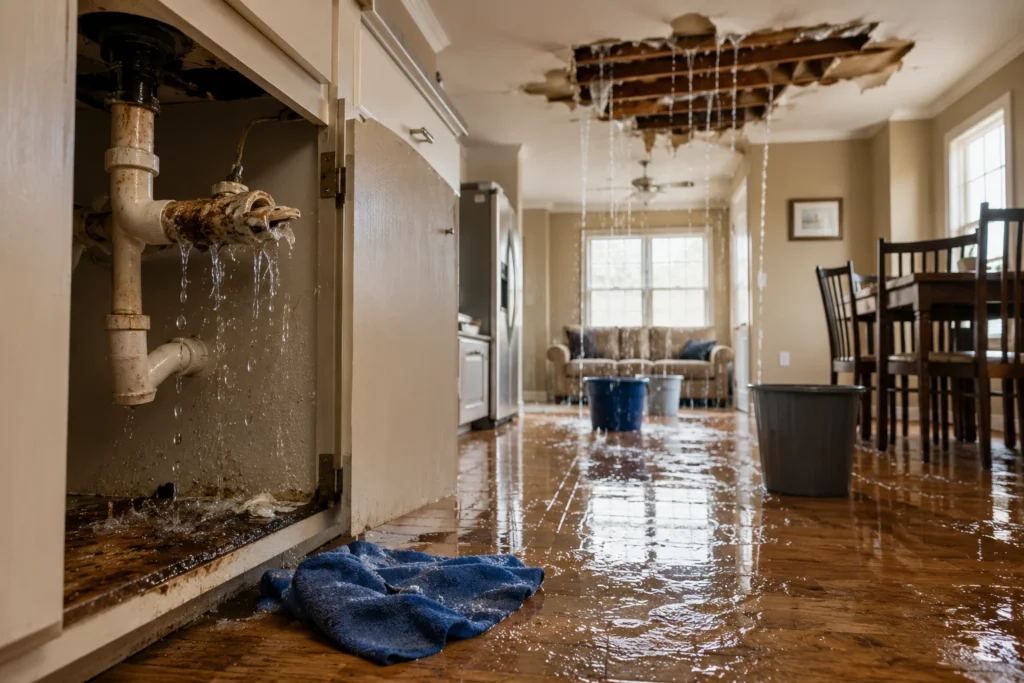
Receiving notice that your Water Damage Claim Denied in Terrell, TX can feel overwhelming. One day you’re dealing with water pouring through a ceiling, a burst pipe under a sink, or moisture spreading through walls. The next, you’re reading a denial letter that leaves you with more questions than answers. For many property owners, the denial itself is only part of the problem. The real challenge begins when repair bills start arriving while the insurance company maintains that coverage does not apply. Suddenly, what seemed like a straightforward claim becomes a complicated dispute involving policy language, inspections, documentation, and evidence.
Unfortunately, insurance claims are rarely as simple as people expect. Much like the scientific concept of anisotropy, where materials behave differently depending on direction, water damage claims often produce different interpretations depending on who evaluates the loss. Property owners, contractors, mitigation companies, and insurers may all view the same damage through a different lens. The good news is that a denial does not always represent the final outcome. Many denied claims are later reconsidered after additional evidence, documentation, or expert evaluations become available. Understanding why claims get denied and what steps can be taken afterward may help property owners protect their interests and pursue a more complete review of their loss.
Understanding Water Damage Insurance Claims
Water damage is one of the most common causes of property insurance claims across Texas. However, not every water-related loss receives the same treatment under an insurance policy. That distinction matters. Insurance policies generally focus heavily on the cause of the water intrusion. The source often determines whether damage qualifies for coverage.
Common examples of water damage include:
- Burst pipes
- Appliance failures
- Water heater leaks
- HVAC system leaks
- Roof leaks following storms
- Overflowing sinks and toilets
- Broken supply lines
- Accidental discharge from plumbing systems
At first glance, many property owners assume all water damage is covered. That assumption frequently creates problems. Insurance policies often distinguish between sudden events and long-term conditions.
Covered Versus Non-Covered Water Damage
The following table illustrates common distinctions insurers often make:
| Typically Covered | Frequently Disputed or Excluded |
| Burst pipes | Long-term leaks |
| Accidental overflows | Neglected maintenance |
| Appliance failures | Gradual seepage |
| Sudden plumbing breaks | Flood damage |
| Storm-created openings | Wear and tear |
Every policy differs. Nevertheless, understanding these categories helps explain why a claim may receive approval or denial.
Why Water Damage Claims Get Denied
When homeowners receive a denial letter, many assume the insurance company simply does not want to pay. The reality is often more complicated. Most denials stem from specific policy provisions, documentation concerns, or disputes about the cause of damage.
Long-Term Leaks and Seepage
One of the most common denial reasons involves allegations of gradual damage. Insurance policies typically cover sudden events. They often exclude conditions that develop slowly over weeks, months, or years.
Examples may include:
- Leaking supply lines behind walls
- Slow roof leaks
- Hidden plumbing drips
- Foundation moisture intrusion
Insurers frequently argue that these conditions constitute maintenance issues rather than accidental losses.
Lack of Maintenance Allegations
Maintenance disputes appear regularly in water damage claims.
The carrier may contend that:
- Roofing materials deteriorated over time
- Plumbing systems were not properly maintained
- Caulking and seals failed due to age
- Water intrusion developed because repairs were delayed
For property owners, these allegations can be frustrating. After all, many water issues remain hidden until substantial damage becomes visible.
Delayed Reporting
Time matters. The longer a claim remains unreported, the more difficult it becomes to establish what happened.
Insurers may argue that:
- Damage worsened unnecessarily
- Evidence became unavailable
- Additional deterioration occurred after the original event
Prompt reporting helps reduce these concerns.
Failure to Mitigate Damage
Insurance policies often require policyholders to take reasonable steps to prevent additional damage. This requirement does not mean performing permanent repairs.
However, it may involve:
- Water extraction
- Temporary tarping
- Emergency drying
- Protecting contents from further exposure
Failure to take these actions may create additional disputes during the claim process.
Insufficient Documentation
Documentation often determines how a claim progresses. Missing evidence can create uncertainty.
Common documentation deficiencies include:
- Limited photographs
- Missing videos
- Lack of contractor reports
- No moisture readings
- Incomplete repair estimates
The stronger the evidence, the easier it becomes to support the extent and cause of damage.
Common Water Damage Situations That Lead to Denials
Not all water claims involve the same circumstances. Certain scenarios appear repeatedly in denied claims.
Burst Pipe Claims
Burst pipes often result in significant damage. Walls become saturated. Flooring swells. Cabinets deteriorate.
While many burst pipe losses qualify for coverage, disputes sometimes arise regarding:
- The age of the plumbing
- Freezing conditions
- Pre-existing leaks
- Maintenance history
Roof Leak Claims
Roof-related water damage generates frequent disagreements. The central question often becomes: Did storm damage create the opening? Or did normal wear and tear allow water intrusion? That distinction can significantly influence claim outcomes.
Water Heater Failures
Water heaters can release substantial volumes of water in a short period.
Damage may affect:
- Flooring
- Drywall
- Cabinets
- Personal belongings
Even so, insurers sometimes investigate whether deterioration existed before the failure occurred.
Appliance Failures
Dishwashers. Washing machines. Refrigerators. Ice maker supply lines. These devices commonly contribute to residential water losses. Questions often arise regarding maintenance records and the condition of supply lines before failure.
Mold-Related Claims
Mold creates additional complexity. Some policies contain specific mold limitations. Others provide restricted coverage amounts. Consequently, water damage and mold remediation frequently become separate discussions during claim evaluations.
Understanding Policy Language
Insurance policies contain thousands of words. Unfortunately, many homeowners only review the document after damage occurs. By then, a dispute may already exist. Understanding several key sections can help clarify why a claim received denial.
Cause of Loss Provisions
The cause of loss section explains what events qualify for coverage. This language frequently determines claim outcomes.
A policy may cover:
- Sudden plumbing failures
- Accidental discharge
- Storm-created openings
At the same time, it may exclude:
- Gradual deterioration
- Long-term seepage
- Maintenance issues
Water Damage Exclusions
Many denials stem directly from exclusions. These provisions identify circumstances where coverage does not apply.
Examples may include:
- Flooding
- Groundwater intrusion
- Sewer backups without endorsements
- Continuous leakage
Careful review is essential.
Flood Damage Versus Water Damage
This distinction causes confusion regularly. Water entering from outside the structure may fall under flood-related exclusions. Meanwhile, water originating from plumbing systems inside the property may receive different treatment. The source matters. A great deal.
What To Do Immediately After Receiving a Denial
A denial letter can trigger panic. Avoid reacting emotionally. Instead, focus on gathering information.
Request a Detailed Explanation
Every denial should include a reason. Review it carefully.
Pay attention to:
- Policy provisions cited
- Exclusions referenced
- Inspection findings
- Evidence relied upon
Understanding the insurer’s position provides a foundation for evaluating next steps.
Preserve All Evidence
Do not discard damaged materials prematurely.
Retain:
- Photographs
- Videos
- Damaged components
- Contractor reports
- Mitigation records
Evidence becomes increasingly valuable if disputes continue.
Continue Protecting the Property
Damage does not stop simply because coverage is disputed. Take reasonable measures to prevent additional deterioration. This protects both the property and the claim.
Organize Your Claim File
Create a centralized file containing:
| Document Type | Purpose |
| Denial letter | Explains insurer position |
| Photographs | Documents damage |
| Estimates | Establish repair scope |
| Invoices | Verifies expenses |
| Reports | Supports causation analysis |
| Correspondence | Tracks claim communications |
Organization often reveals gaps that can later be addressed.
Documentation That Can Strengthen a Water Damage Claim
Evidence tells the story. Without it, competing interpretations emerge. Strong documentation may include:
Photographs
Take both wide-angle and close-up images.
Capture:
- Entire rooms
- Damaged materials
- Water sources
- Exterior conditions
Photos establish context.
Videos
Videos often provide additional perspective.
They show:
- Moisture patterns
- Active leaks
- Room conditions
- Damage progression
Sometimes video evidence reveals details still images miss.
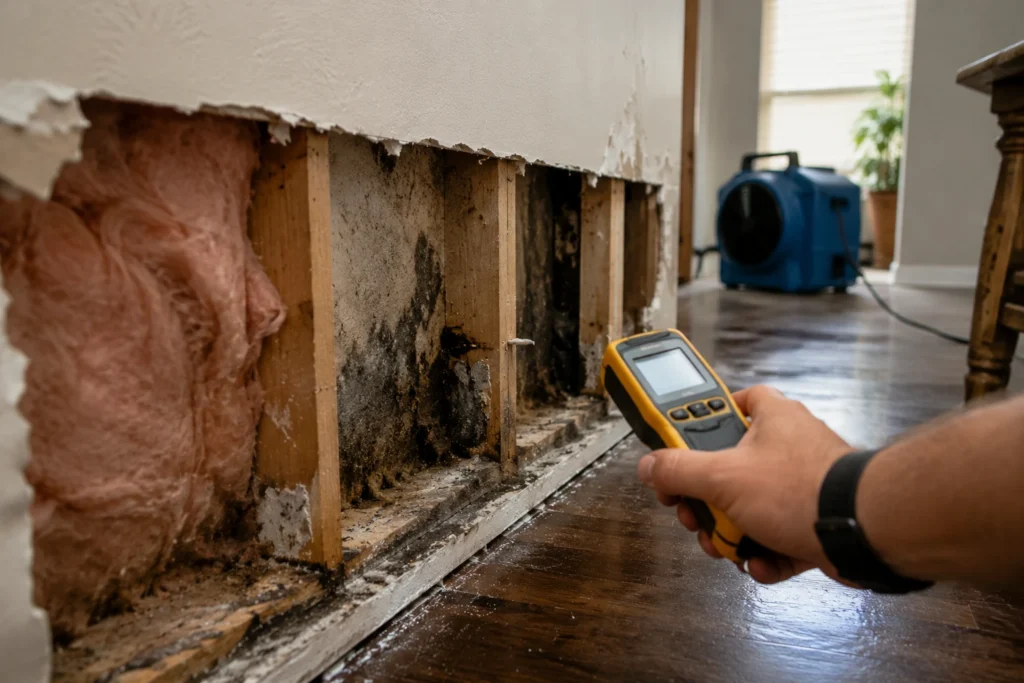
Moisture Readings
Professional moisture mapping can identify hidden damage.
Areas commonly affected include:
- Insulation
- Drywall
- Subfloors
- Framing
These readings help document conditions that may not be visible to the naked eye.
Contractor Reports
Qualified contractor evaluations often provide valuable insight into:
- Cause of damage
- Repair requirements
- Scope of work
- Structural concerns
Independent assessments can help clarify disputed issues. One interesting comparison involves understanding specialized insurance professionals. For example, discussions about water damage often overlap with broader questions regarding claims handling, much like understanding What a Fire Insurance Adjuster Really Does when evaluating fire-related losses and settlement disputes.
Hidden Damage Often Missed During Water Claims
Water damage is deceptive. What appears on the surface rarely tells the entire story. A stain on drywall may seem minor. However, the moisture responsible for that stain could have traveled through insulation, framing, flooring systems, and electrical components before becoming visible. This hidden damage frequently becomes a point of disagreement during claim reviews.
Moisture Behind Walls
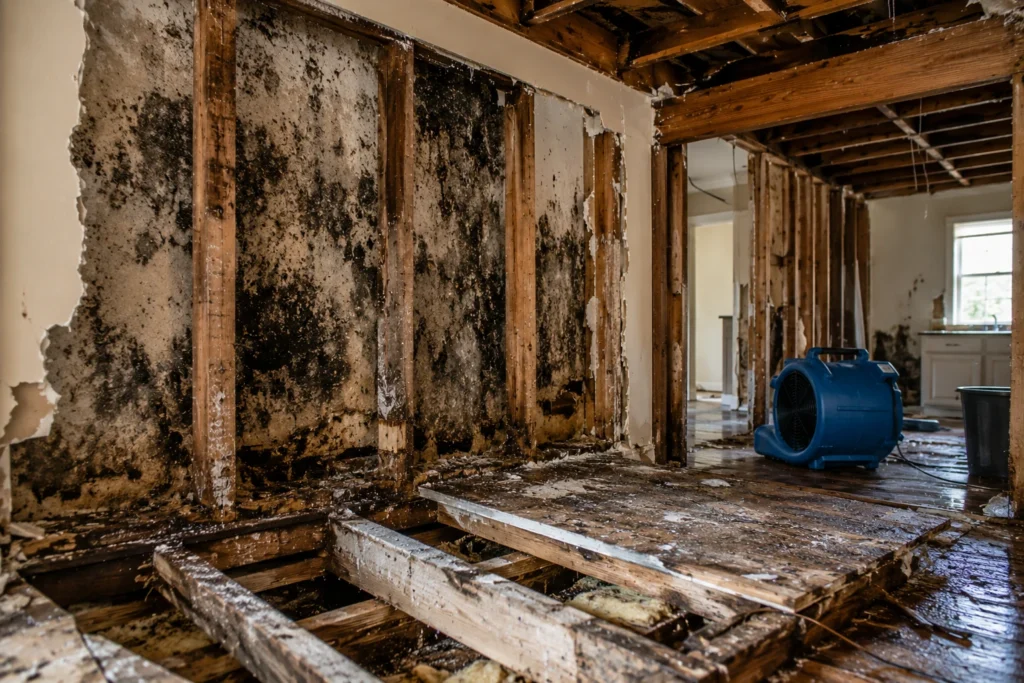
Drywall can conceal significant moisture accumulation. Water may spread horizontally and vertically through wall cavities long before obvious signs appear.
Potential consequences include:
- Insulation saturation
- Wood deterioration
- Fastener corrosion
- Hidden mold development
Professional moisture detection equipment often identifies conditions invisible to the naked eye.
Subfloor Damage
Flooring materials frequently conceal underlying issues.
Water may penetrate beneath:
- Hardwood flooring
- Laminate flooring
- Vinyl plank systems
- Tile installations
Even after surface materials appear dry, moisture can remain trapped below. Over time, that moisture may contribute to swelling, separation, and structural weakening.
Electrical System Concerns
Water and electrical systems rarely mix well.
Potentially affected components include:
- Outlets
- Switches
- Breaker panels
- Wiring
- Junction boxes
Damage may not always be immediately visible. Nevertheless, safety concerns often justify further evaluation.
Structural Components
Long-term moisture exposure can impact:
| Structural Component | Potential Impact |
| Wall framing | Warping |
| Roof decking | Deterioration |
| Floor joists | Weakening |
| Subfloors | Swelling |
| Support beams | Moisture-related degradation |
These conditions can significantly increase repair costs. Unfortunately, they may remain hidden until demolition begins.
Mold Development
Mold is one of the most discussed consequences of water damage. Under favorable conditions, mold growth can begin relatively quickly after moisture exposure occurs. As a result, delayed drying efforts often create additional complications. The longer moisture remains present, the greater the likelihood of secondary damage.
The Financial Impact of a Denied Water Damage Claim
A denial letter may involve more than a disagreement about coverage. For many property owners, it creates significant financial uncertainty. Repair costs can escalate quickly.
Emergency Mitigation Expenses
Immediate response efforts often include:
- Water extraction
- Drying equipment
- Temporary repairs
- Debris removal
These services frequently begin before claim decisions are finalized.
Structural Repairs
Water affects numerous building materials.
Repair costs may involve:
- Drywall replacement
- Flooring replacement
- Cabinet reconstruction
- Painting
- Electrical repairs
- Structural corrections
Even relatively small leaks can generate substantial repair expenses.
Personal Property Losses
Furniture. Electronics. Clothing. Appliances. Family heirlooms. Water damage frequently extends beyond the building itself. Replacing damaged personal belongings may represent a significant portion of the overall loss.
Temporary Living Expenses
In severe situations, portions of a property may become temporarily uninhabitable.
This can lead to:
- Hotel expenses
- Temporary housing costs
- Additional transportation expenses
- Increased food costs
The financial impact often extends well beyond physical repairs.
Options Available After a Water Damage Claim Is Denied
Many policyholders mistakenly believe a denial automatically ends the process. That is not always the case. Several options may remain available depending on the circumstances.
Request a Reinspection
Additional inspections occasionally uncover information not identified during the original review.
Examples may include:
- Hidden moisture
- Structural concerns
- Additional affected materials
- New expert opinions
A second evaluation may provide valuable clarification.
Submit Additional Documentation
Strong evidence can change the trajectory of a claim.
Helpful documentation may include:
- Contractor reports
- Engineering evaluations
- Plumbing assessments
- Moisture mapping reports
- Repair estimates
The goal is to address the specific concerns raised in the denial letter.
Obtain Independent Evaluations
Independent professionals often provide a fresh perspective.
Their findings may help clarify:
- Cause of loss
- Extent of damage
- Necessary repairs
- Coverage-related issues
Independent assessments frequently become important in disputed claims.
Review Policy Language Carefully
Coverage disputes often involve policy interpretation.
Consequently, reviewing policy provisions carefully can help identify:
- Applicable coverage sections
- Endorsements
- Exceptions
- Exclusions
- Limitations
Understanding the policy remains essential throughout the process.
How Public Adjusters Help With Denied Water Damage Claims
Many property owners have never worked with a public adjuster. That is understandable. Most people only encounter insurance claims occasionally.
What Is a Public Adjuster?
A public adjuster represents the policyholder. Unlike insurance company adjusters, their role focuses on evaluating and documenting the loss on behalf of the property owner.
Responsibilities may include:
- Damage assessment
- Documentation review
- Policy analysis
- Scope development
- Claim presentation
- Settlement negotiations
Independent Damage Evaluation
One of the primary benefits involves conducting an independent review of the property.
This evaluation may identify:
- Hidden damage
- Overlooked materials
- Additional repair requirements
- Coverage-related considerations
Comprehensive documentation often strengthens claim discussions.
Scope Development
A claim is only as strong as the scope supporting it. A complete scope identifies:
- Damaged materials
- Required repairs
- Associated costs
- Related components
Incomplete scopes frequently contribute to disputes.
Negotiation Support
Insurance claims often involve differing interpretations. Professional representation may help facilitate discussions regarding:
- Repair requirements
- Damage extent
- Settlement amounts
- Supporting evidence
The objective is to ensure all documented damage receives appropriate consideration.
Water Damage Challenges Specific to Terrell Property Owners
Every community faces unique property risks. Property owners in Terrell encounter several conditions that can contribute to water damage concerns.
Severe Storm Activity
Texas weather can be unpredictable.
Heavy rainfall events sometimes produce significant water intrusion issues.
Potential concerns include:
- Roof leaks
- Window leaks
- Flash flooding
- Drainage failures
Following major storms, claim volume often increases dramatically. Higher claim volume may result in faster inspections and greater pressure on claim handling resources.
Aging Plumbing Systems
Many properties contain plumbing components that have been in service for years. Over time, deterioration may increase the likelihood of:
- Pipe failures
- Joint leaks
- Supply line breaks
These events often occur without warning.
Foundation Movement
Texas soils can create unique foundation challenges.
Shifting conditions may affect:
- Plumbing systems
- Drainage performance
- Structural integrity
Water intrusion associated with these conditions can become particularly complex during claim investigations.
Roof Exposure
Wind, hail, rain, and temperature fluctuations place continuous stress on roofing systems. Consequently, roof-related water claims remain common throughout Terrell and surrounding communities.
Preventing Future Water Damage Claim Problems
While no property owner can eliminate every risk, several proactive steps may reduce the likelihood of future disputes.
Conduct Regular Inspections
Routine inspections can identify developing issues before significant damage occurs.
Areas to evaluate include:
- Plumbing connections
- Roofing systems
- Attic spaces
- Water heaters
- Appliance supply lines
Small issues often become large claims when left unaddressed.
Maintain Detailed Records
Documentation is valuable before a loss ever occurs.
Consider maintaining:
- Maintenance records
- Repair invoices
- Inspection reports
- Property photographs
These records may become useful if coverage questions arise later.
Install Water Detection Devices
Technology continues to improve. Modern leak detection systems can:
- Monitor moisture levels
- Alert property owners
- Shut off water automatically in some situations
Early detection frequently limits damage severity.
Address Problems Promptly
Waiting rarely improves water-related issues.
When leaks appear:
- Investigate immediately
- Document conditions
- Contact qualified professionals
- Take reasonable mitigation measures
Quick action often reduces both repair costs and claim complications.
When Professional Claim Assistance May Be Helpful
Not every denied claim requires outside assistance. However, certain situations may justify additional review.
Examples include:
- Large repair estimates
- Significant structural damage
- Complex policy provisions
- Multiple causes of loss
- Conflicting expert opinions
- Extensive hidden moisture
The greater the financial exposure, the more important a thorough evaluation becomes.
Final Thoughts
A Water Damage Claim Denied in Terrell, TX can create frustration, uncertainty, and significant financial pressure. Yet a denial does not necessarily mean the end of the process. Many denied claims involve disputes regarding causation, documentation, policy interpretation, or the extent of damage. Consequently, understanding the reason for the denial becomes the first step toward determining what options may remain available. Strong documentation matters. Prompt mitigation matters. Independent evaluations matter. Furthermore, a complete understanding of policy language often reveals details that may otherwise be overlooked.
Property owners facing a Water Damage Claim Denied in Terrell, TX should focus on gathering evidence, preserving documentation, reviewing policy provisions, and carefully evaluating the insurer’s stated reasons for denial. In many situations, additional information can significantly strengthen the overall presentation of the claim. Most importantly, property owners in Terrell should remember that water damage frequently extends beyond what is immediately visible. A careful and comprehensive review of the property may uncover hidden conditions that deserve consideration during the claim process. Taking a proactive approach today can make a meaningful difference in protecting both the property and the financial recovery associated with the loss.
FAQs
Review the denial letter carefully, gather supporting documentation, and consider obtaining independent evaluations of the damage.
Common reasons include alleged maintenance issues, long-term leaks, insufficient documentation, or policy exclusions.
Many policies cover sudden and accidental pipe failures, but coverage depends on the specific policy language and circumstances.
Yes. Property owners can often submit additional evidence, request a reinspection, or pursue other claim review options.
Some policies provide limited mold coverage, while others restrict or exclude mold-related losses altogether.
Documentation is critical because photographs, videos, reports, and estimates help establish the cause and extent of the damage.
Yes. Hidden moisture behind walls, under flooring, or within structural components may significantly impact repair costs and claim evaluations.
Keep all claim-related records, photographs, invoices, and correspondence until the claim is fully resolved and repairs are completed.
Flood damage generally involves water entering from outside the property, while water damage often originates from internal plumbing or appliance failures.
A public adjuster may assist by documenting damage, reviewing policy language, and presenting evidence to support the claim.