
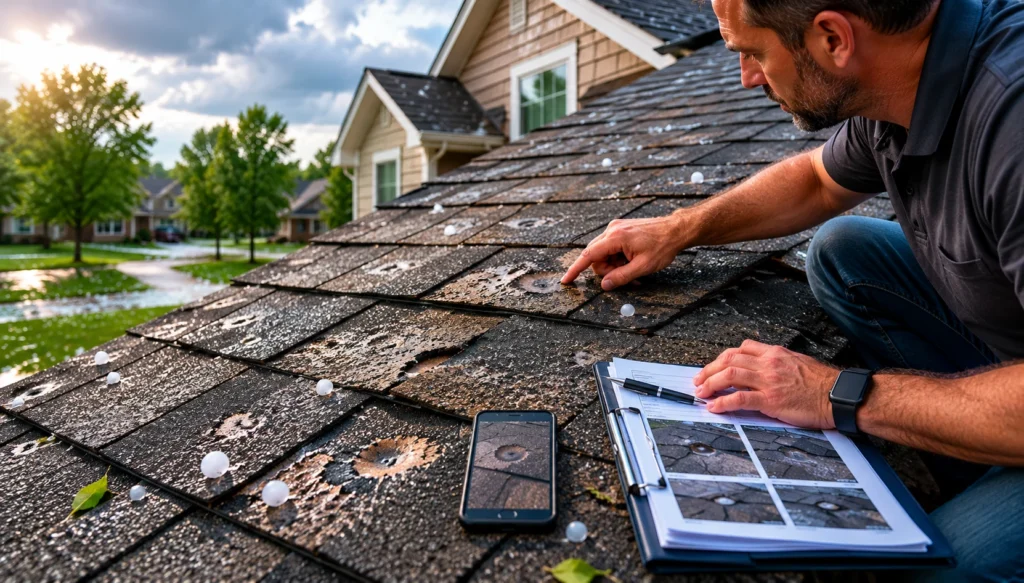
Hailstorms can cause serious damage in a matter of minutes. Yet many homeowners don’t discover that damage until months or even years later. That reality leads to a question that insurance companies hear every year: does insurance cover old hail damage? The answer isn’t always simple. Sometimes coverage exists. Other times claims are denied because the insurer believes the damage is too old, resulted from wear and tear, or cannot be tied to a specific storm event.
For homeowners, this uncertainty can be frustrating. You may only learn about roof damage during a home inspection, after spotting a leak, or when a contractor points out issues that have been quietly developing over time. Understanding how insurers evaluate older hail damage claims can help you avoid costly mistakes and improve your chances of a fair outcome. In many cases, the dispute centers around evidence, documentation, and causation. Similar principles are used in scientific disciplines such as Rheology, where experts study how materials respond to stress over time. Roof materials also change as they age, making it important to distinguish storm damage from normal deterioration.
Understanding What Insurance Companies Consider Old Hail Damage
One of the first challenges in any claim is defining what “old” actually means. Insurance policies rarely provide a specific number of months or years that automatically classifies hail damage as old. Instead, insurers evaluate the circumstances surrounding the loss.
For example, damage discovered two years after a storm may still be covered if there is strong evidence connecting the damage to that event. On the other hand, damage discovered only six months after a storm could be denied if substantial deterioration occurred because repairs were delayed. In other words, age alone does not determine coverage. The bigger issue is proving when the damage occurred.
Why Homeowners Often Miss Hail Damage
Most homeowners never climb onto their roofs. That makes sense. Unfortunately, hail damage often starts where nobody can see it. Minor granule loss may not cause immediate leaks. Small bruises in shingles can remain hidden. Damage to flashing, vents, and other roof components may go unnoticed for extended periods.
Meanwhile, the roof continues aging. Rain, heat, wind, and ultraviolet exposure gradually worsen the condition. Months later, a leak appears. Years later, a contractor identifies widespread storm-related impacts. At that point, homeowners are left wondering whether insurance coverage still applies.
How Long Does Hail Damage Take to Become Visible?
Not all storm damage produces immediate symptoms. Some hail impacts weaken roofing materials without creating obvious failures. Over time, those weakened areas become vulnerable to additional weather exposure.
Common delayed signs include:
- Granule loss
- Cracked shingles
- Water stains on ceilings
- Soft spots in roof decking
- Interior moisture issues
- Mold growth in attic spaces
Because the damage develops gradually, many homeowners assume the roof is simply getting old. Sometimes that’s true. Sometimes it’s not.
Does Insurance Cover Old Hail Damage?
The short answer is yes sometimes. The longer answer depends on several factors. Insurance companies evaluate each claim individually based on evidence, policy language, reporting requirements, and the condition of the property.
When asking does insurance cover old hail damage, insurers typically focus on four key questions:
| Question | Why It Matters |
| When did the damage occur? | Determines whether a covered event caused the loss |
| Can the storm be verified? | Establishes causation |
| Was the claim reported promptly? | Affects compliance with policy requirements |
| Did neglect worsen the damage? | Determines whether additional exclusions apply |
These factors often carry more weight than the age of the damage itself.
Why Every Claim Is Different
Two homeowners can experience nearly identical roof damage and receive completely different claim outcomes. Why? Policies vary. Insurance carriers vary. Evidence varies. One homeowner may have photographs, inspection reports, and weather records linking damage to a specific hailstorm. Another may have no documentation at all. The strength of the evidence often becomes the deciding factor.
Why Insurance Companies Deny Old Hail Damage Claims
Claim denials are frustrating. However, understanding the insurer’s reasoning helps homeowners build stronger cases. The most common denial involves uncertainty about when the damage occurred.
Insurance companies frequently argue that the damage cannot be tied to a covered event. If multiple hailstorms impacted the area over several years, determining which storm caused the damage becomes more difficult. The insurer may also argue that the roof simply deteriorated with age.
Wear and Tear Exclusions
Nearly every homeowners insurance policy excludes normal wear and tear. Insurance covers sudden accidental damage. It does not cover routine aging. This distinction creates one of the biggest disputes in older hail claims.
The insurer may contend that the roof failed because it reached the end of its useful life. The homeowner may believe hail damage accelerated the deterioration. Resolving that disagreement often requires expert evaluation.
Maintenance Problems Can Complicate Claims
Homeowners are expected to maintain their property. Insurance policies generally require reasonable care and upkeep. If a roof has visible damage that remains unrepaired for years, the insurer may argue that neglect contributed to the loss.
For example:
- Broken shingles left unrepaired
- Existing leaks ignored
- Missing flashing not replaced
- Significant roof deterioration left unaddressed
These situations can make approval more challenging.
Previous Unrepaired Storm Damage
Another common issue involves prior claims. If an insurance company paid for hail damage years ago but repairs were never completed, future claims become more complicated. Insurers often review claim histories. If previous damage remains present, they may deny portions of the new claim. This doesn’t automatically eliminate coverage, but it can significantly affect settlement amounts.
How Insurance Adjusters Determine the Age of Hail Damage
Insurance adjusters don’t simply guess. They rely on multiple investigative techniques. Physical inspection is often the first step. Experienced adjusters examine roofing materials for indicators that help estimate when impacts occurred.
They may evaluate:
- Oxidation patterns
- Granule displacement
- Weathering around impact points
- Surface deterioration
- Exposure conditions
These clues help form an opinion regarding the age of damage. However, inspections are rarely the only factor considered.
Weather Data Plays a Major Role
Modern weather databases provide detailed storm histories.
Adjusters often review:
- Hail reports
- Radar data
- Storm tracks
- Recorded hail sizes
- Historical weather events
If a severe hailstorm struck Terrell on a specific date, that information may help support a claim. Likewise, if no hail activity occurred during the reported period, the insurer may question the loss. Weather verification has become one of the most important pieces of evidence in hail claims.
Aerial Imaging and Technology
Technology continues to transform claim investigations. Many insurance companies now use aerial imagery and property intelligence platforms to review roof conditions.
Historical images may reveal:
- Prior damage
- Roof repairs
- Missing shingles
- Structural changes
- Long-term deterioration
These records can strengthen or weaken a claim depending on what they reveal.
Engineering Evaluations
In larger disputes, insurers may hire engineers. These professionals analyze roofing systems, material conditions, and damage characteristics. Their opinions often carry significant weight. Unfortunately, homeowners sometimes assume an engineering report automatically favors the insurer. That is not always the case. Independent evaluations may reach very different conclusions depending on the facts.
Signs Your Roof May Have Old Hail Damage
Not every roof responds to hail the same way. Different materials show damage differently.
Asphalt shingles commonly exhibit:
- Bruising
- Cracking
- Granule loss
- Surface fractures
Metal roofing may show:
- Dents
- Impact marks
- Protective coating damage
Tile roofs can develop:
- Chips
- Cracks
- Fractures
Meanwhile, gutters, downspouts, vents, and flashing frequently display visible hail impacts long after a storm has passed. These secondary indicators often help establish a storm history.
Can You File a Claim for Old Hail Damage?
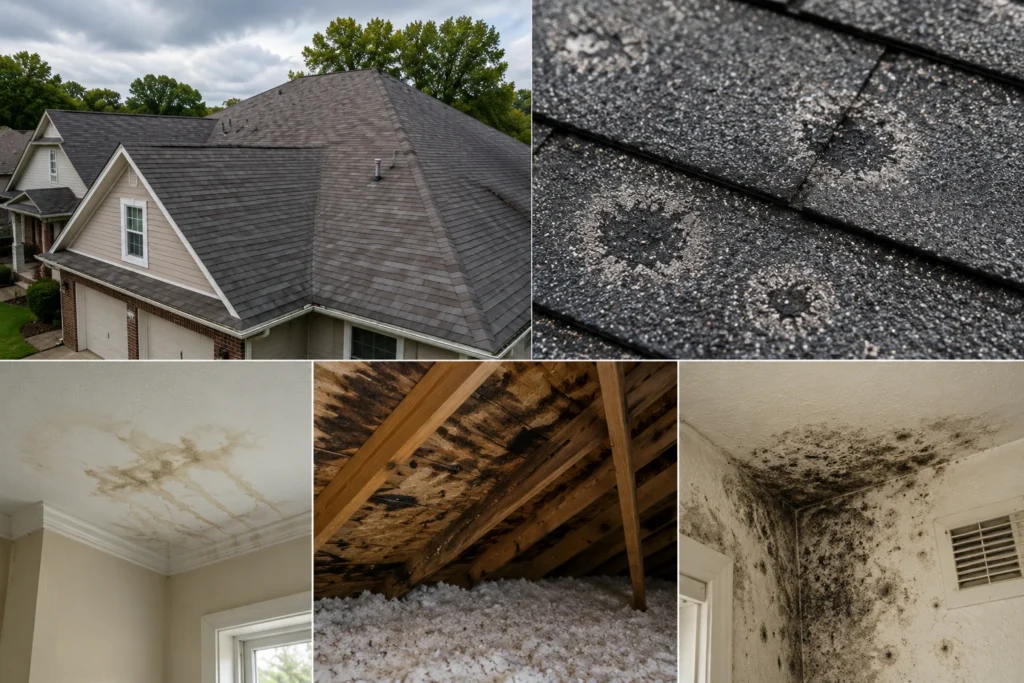
The answer depends on the evidence available and the specific terms of your policy. Many homeowners assume that once a certain amount of time passes, coverage disappears automatically. That is not necessarily true. A roof may sustain hail damage during a severe storm, continue functioning for years, and only later begin showing signs of failure. If evidence connects the current condition to a covered weather event, a claim may still have merit. This is one reason the question does insurance cover old hail damage continues to generate confusion among homeowners and insurance professionals alike.
Situations Where Coverage May Still Exist
Certain circumstances can strengthen an older hail claim.
Examples include:
- Damage was only recently discovered.
- Weather records clearly identify a major hail event.
- Inspection reports support storm-related impacts.
- The roof showed no significant issues before the storm.
- Professional evaluations link current damage to hail.
The more evidence available, the stronger the claim generally becomes.
Circumstances That Make Approval More Difficult
Not every claim has favorable facts. Some situations create significant challenges.
These include:
- Multiple storms over several years
- Missing maintenance records
- Prior unrepaired damage
- Long delays in reporting
- Extensive age-related deterioration
Insurance companies often focus heavily on these factors when deciding whether to approve or deny coverage.
Understanding Reporting Deadlines
Many policies contain notice requirements. While exact wording varies, insurers generally expect policyholders to report damage within a reasonable period after discovering a loss. The key phrase is often “after discovery.” That distinction matters. A homeowner who genuinely had no way to know damage existed may be treated differently than someone who knowingly delayed reporting visible problems. Prompt action is always the safest approach.
How to Strengthen an Old Hail Damage Claim
Evidence wins claims. Assumptions do not. If you suspect older hail damage, building a strong documentation package can significantly improve your position.
Gather Historical Weather Records
Weather documentation helps establish whether hail actually occurred.
Useful sources include:
- National weather databases
- Local meteorological reports
- Radar archives
- Storm tracking services
- Hail mapping tools
When severe storms have impacted Terrell, these records may help connect roof damage to a specific event. Dates matter. Details matter. Documentation matters.
Obtain a Professional Roof Inspection
An experienced roofing professional can identify signs that homeowners often overlook.
A thorough inspection should document:
- Impact marks
- Material damage
- Roof age
- Repair history
- Functional concerns
Written reports supported by photographs provide valuable evidence when presenting a claim.
Document Everything
Photographs remain one of the most powerful tools available to homeowners.
Take pictures of:
- Roof surfaces
- Gutters
- Downspouts
- Flashing
- Interior water damage
- Attic conditions
Video documentation can also be helpful. The goal is simple. Create a clear visual record of current conditions.
Review Prior Inspection Reports
Many homeowners forget they already possess valuable evidence. Home inspections performed during a home purchase often include roof evaluations. Maintenance records may reveal previous conditions. Contractor reports may establish that damage was not present before a specific storm. These documents can become extremely important during claim investigations.
The Claim Fight Most Homeowners Don’t Expect
Most people expect insurance claims to focus on the amount of damage. Surprisingly, many disputes focus on something entirely different. The real battle often centers on timing. The insurer may agree damage exists. The disagreement arises over when it occurred. This distinction changes everything.
If the damage can be tied to a covered hailstorm, coverage may apply. If the insurer believes the damage resulted from years of aging or multiple weather events, the claim may face significant obstacles. That is why evidence collection is so important from the very beginning.
What Happens If Your Old Hail Damage Claim Is Denied?
A denial can feel discouraging. However, it does not necessarily mean the matter is over. Many denied claims are challenged successfully when additional evidence becomes available. The first step is understanding exactly why the insurer denied the claim.
Request a Detailed Explanation
Always obtain the denial in writing. Review the explanation carefully.
Look for references to:
- Policy exclusions
- Wear and tear
- Reporting delays
- Lack of evidence
- Maintenance concerns
Understanding the insurer’s position helps identify what evidence may be needed to challenge the decision.
Submit Additional Documentation
Sometimes claims are denied simply because the insurer lacked sufficient information.
Additional evidence may include:
- Expert reports
- Contractor evaluations
- Weather records
- Historical photographs
- Maintenance documentation
Strong supporting materials can change the direction of a claim.
Consider Reopening the Claim
Under certain circumstances, claims can be reopened.
This may occur when:
- New evidence emerges
- Additional damage is discovered
- Inspection findings change
- Expert opinions become available
Each situation is unique, but homeowners should understand that a denial is not always the final chapter.
Explore the Appraisal Process
Many insurance policies contain appraisal provisions. Appraisal is often used when disagreements arise regarding the amount of loss. While appraisal does not resolve every dispute, it can be an effective tool in certain claim situations. Policyholders should carefully review their policy language before deciding whether appraisal may be appropriate.
How a Public Adjuster Can Help With Old Hail Damage Claims
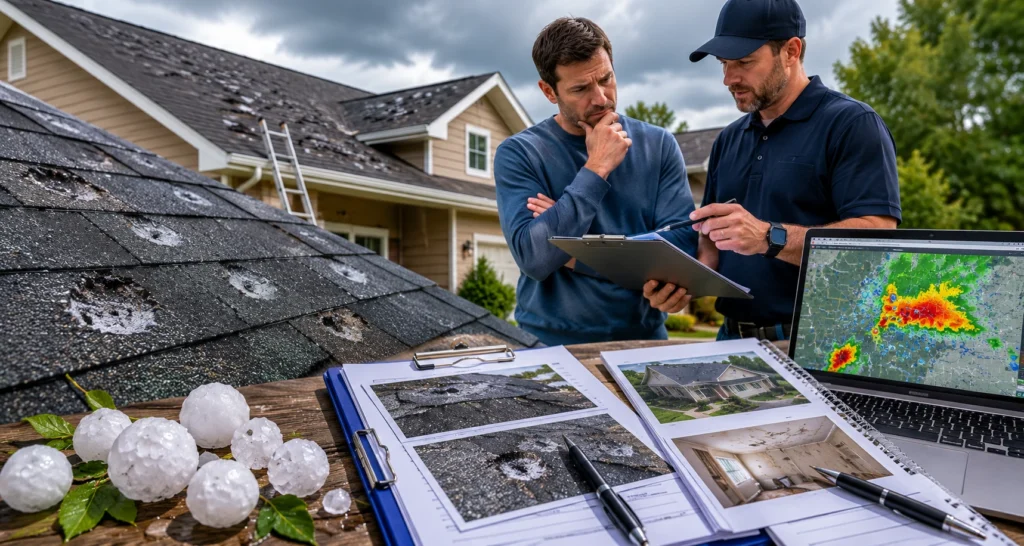
Old hail damage claims are often complex. The passage of time creates questions. Questions create disputes. Disputes require evidence. This is where professional assistance can become valuable.
Independent Damage Assessment
Public adjusters work on behalf of policyholders. Their role is to evaluate damage independently and develop evidence supporting the claim.
This often includes:
- Roof inspections
- Damage documentation
- Claim analysis
- Scope development
An independent review can identify issues that might otherwise be overlooked.
Evidence Development
The strongest claims are supported by facts. Public adjusters often assist with:
- Photographic documentation
- Weather research
- Damage analysis
- Policy review
- Claim presentation
Building a clear narrative helps insurers understand how the loss occurred.
Policy Interpretation
Insurance policies are not always easy to understand. Coverage provisions, exclusions, limitations, endorsements, and conditions all affect claim outcomes.
A detailed policy review can help homeowners understand:
- What may be covered
- What may be excluded
- What obligations apply
- What benefits may exist
This knowledge often prevents costly misunderstandings.
Claim Negotiation Support
Insurance claims involve communication. Lots of it. Adjusters, inspectors, engineers, contractors, and carriers may all participate in the process. Public adjusters help coordinate information and advocate for the policyholder’s interests throughout the claim.
Why Many Homeowners in Terrell Seek Assistance
Severe weather is a reality across Texas. Hailstorms frequently impact homes and businesses. For property owners in Terrell, delayed storm damage discovery is not unusual. Many homeowners only learn about damage during routine inspections, roof replacements, or real estate transactions. When that happens, obtaining a professional evaluation can provide clarity regarding available options.
Common Myths About Old Hail Damage Claims
Misconceptions often prevent homeowners from pursuing valid claims. Let’s clear up a few of the most common ones.
Myth: If the Roof Isn’t Leaking, There Is No Damage
Leaks are only one symptom. Hail can weaken roofing materials long before water intrusion becomes visible.
Myth: Insurance Never Covers Old Hail Damage
This is false. The answer to does insurance cover old hail damage depends on evidence, policy language, and claim circumstances. Age alone does not automatically eliminate coverage.
Myth: Older Roofs Cannot Be Insured
Older roofs may still qualify for coverage. However, policy terms and settlement methods may vary.
Myth: A Denied Claim Ends the Process
Many claim disputes continue after an initial denial. Additional evidence can sometimes change the outcome.
Protecting Yourself After Future Hailstorms
The best claim is often the one that is documented early.
After any significant hailstorm:
- Schedule a roof inspection.
- Photograph visible impacts.
- Save weather reports.
- Maintain repair records.
- Review your insurance policy.
- Address damage promptly.
These steps help preserve evidence and reduce future disputes.
Why Hail Damage Matters for Homeowners in Terrell
Texas weather can be unpredictable. A single hailstorm can affect thousands of properties within minutes. Unfortunately, damage is not always obvious. Many homeowners in Terrell discover hail impacts months after the storm has passed. The longer damage remains hidden, the more complicated the insurance claim may become. That is why awareness, documentation, and timely inspections remain critical.
Conclusion
So, does insurance cover old hail damage? Sometimes it does. Sometimes it doesn’t. The determining factors usually involve evidence, documentation, policy requirements, and the ability to connect current damage to a covered storm event. Homeowners should not assume that older damage is automatically excluded from coverage. At the same time, they should understand that proving an older loss often requires more investigation than a recently reported claim.
If you suspect your roof may have sustained hail damage in the past, take action. Schedule an inspection. Gather records. Review your policy. Document everything carefully. For homeowners in Terrell, those steps can make the difference between an unresolved problem and a well-supported insurance claim. When questions arise, professional guidance can help ensure that every available option is fully explored.
FAQs
Possibly. Coverage depends on your policy, available evidence, and whether the damage can be linked to a covered hailstorm.
They use roof inspections, weather records, aerial imagery, and sometimes engineering evaluations to estimate when the damage occurred.
Yes. Hail can weaken roofing materials, leading to gradual deterioration that may not produce leaks immediately.
Not necessarily. Insurers often consider when you discovered the damage, but significant delays can make claims more difficult.
Photographs, weather reports, inspection records, contractor reports, and maintenance documentation can all support a claim.
Older roofs may still qualify for coverage, although policy terms and settlement methods can vary based on the roof’s age and condition.
Yes. This is one of the most common disputes in hail claims, especially when damage is discovered long after a storm.
Absolutely. Early inspections can identify hidden damage and create documentation that may help with future claims.
Request a written explanation, review the policy language, and consider obtaining additional evidence or professional assistance.
Yes. A public adjuster can evaluate the damage, gather supporting documentation, and assist with presenting the claim.